CCC Urges Climate-Smart Planning for Philippine Infrastructure
News | Environment Posted on 2026-09-17 19:10:12
MANILA – The Climate Change Commission (CCC) is urging the government to incorporate climate projections, hazard data, and risk assessments into infrastructure planning and investment decisions as the Philippines strengthens its participation in the global effort to build disaster-resilient infrastructure.
CCC Vice Chairperson and Executive Director Robert E.A. Borje said climate and disaster risk information should translate into concrete decisions on where infrastructure is built, how projects are designed, which investments are prioritized, and how facilities are maintained.
The call comes as the Philippines joins the Coalition for Disaster Resilient Infrastructure (CDRI), a voluntary global partnership focused on strengthening infrastructure resilience against climate and disaster risks.
“Prediction has value when it changes a decision: the site selected, the design standard applied, the project prioritized, the maintenance scheduled and the essential service protected,” Borje said in a news release Tuesday.
The Philippines was formally welcomed as the 71st member of the CDRI during President Ferdinand R. Marcos Jr.’s meeting with coalition officials in New Delhi, India.
The Department of Public Works and Highways (DPWH) has been designated as the country’s representative to the coalition. The Philippines is the second Southeast Asian country to join the CDRI after Vietnam.
Using Climate Information Before Construction
Borje said the country’s participation in the CDRI comes at an important time as infrastructure systems face increasing exposure to climate-related hazards and disasters.
“This is a timely decision for Philippine adaptation. It can further strengthen our nation’s ability to anticipate risks and apply what we know before infrastructure is located, designed, financed, built and maintained,” he said.
He cited roads, bridges, ports, power and water systems, schools, hospitals, and communications facilities as interconnected infrastructure whose disruption can affect essential services, livelihoods, and economic activity.
According to Borje, strengthening these systems requires climate-resilient designs and preventive adaptation measures rather than relying solely on post-disaster response.
The CCC said the Philippines’ CDRI membership could help advance the implementation of the National Adaptation Plan 2023–2050 and the National Climate Risk Management Framework through greater access to international expertise, technical cooperation, risk-assessment tools, and potential partnerships for resilient infrastructure investments.
From International Cooperation to Local Action
The Commission emphasized that international cooperation should eventually translate into improvements in Philippine infrastructure standards, government budgets, investment priorities, and actual projects.
“With DPWH as the country’s designated representative, the next step is to connect this cooperation with the work of other national agencies, local governments, infrastructure operators, financing institutions, universities and communities,” Borje said.
“Our objective must be to build right at first sight and ensure that public investments remain safe, functional and useful under the risks we already face and those we can reasonably foresee,” he added.
NPO NEWS TEAM | PNA-PR
Share:
Writer :
Link :
Leave a Comment:
Date: Wednesday | October 7, 2026 | 12:45:am
Sections
Recent News
RECENT POSTS
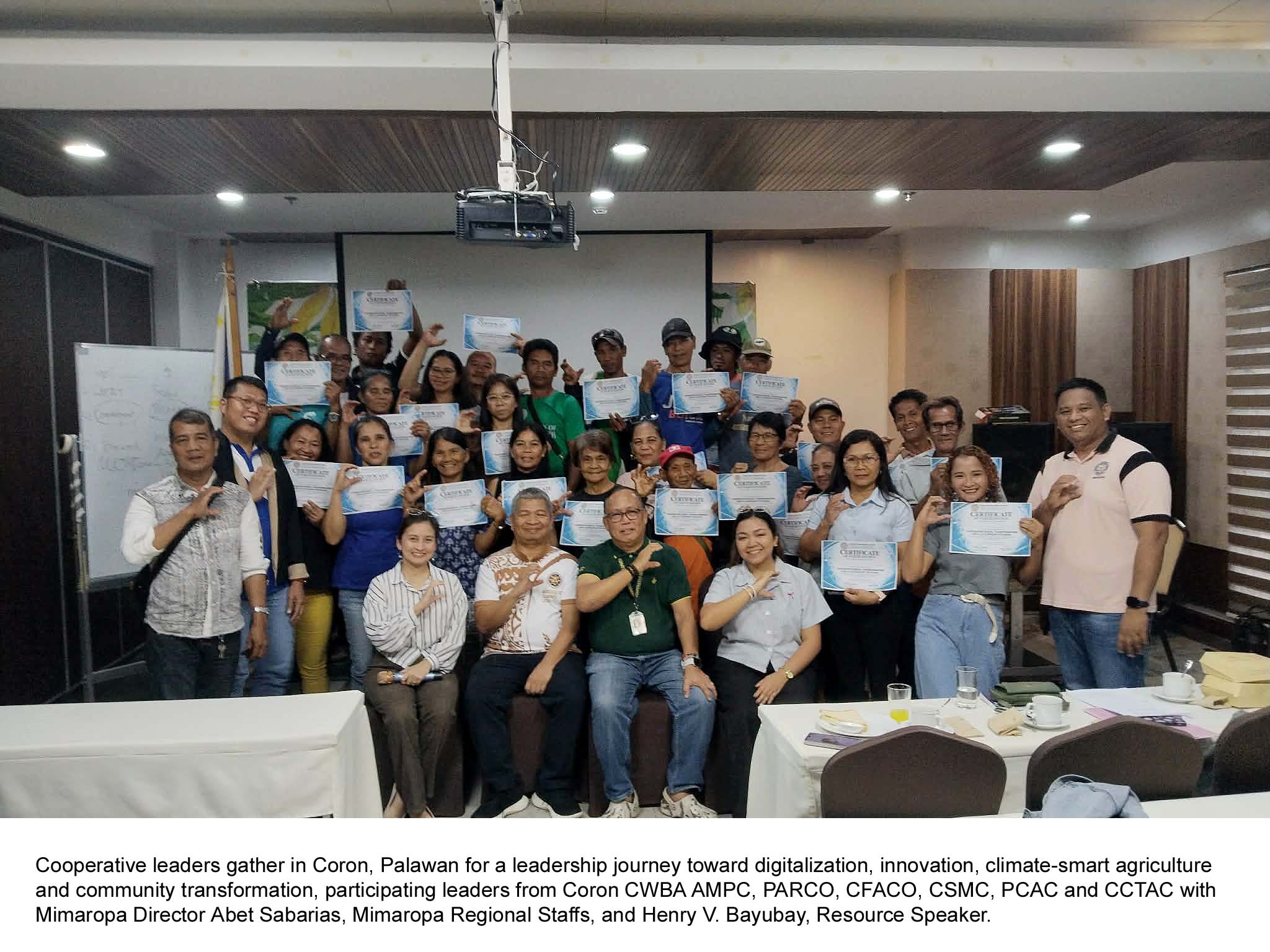
CDA MIMAROPA Empowers Cooperative Leaders to Lead the Digital Transformation and AI Era
Category : AGRI-NEWS
Read More →