12 Rescued Wildlife Turned Over to DENR as Cotabato Residents Support Conservation Efforts
Technology | Innovation Posted on 2026-09-17 19:05:50
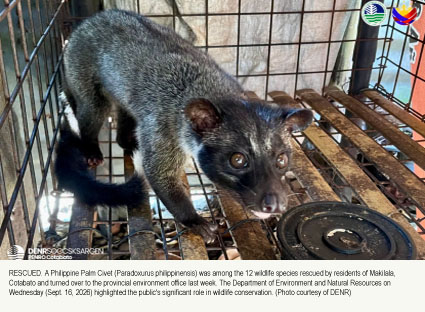
MANILA – Two residents of Cotabato voluntarily turned over 12 rescued wildlife species to the Department of Environment and Natural Resources (DENR), underscoring the role of communities in protecting the country’s wildlife resources.
The animals were surrendered to the DENR provincial office on Sept. 10 after the residents sought assistance from environmental authorities upon learning that the collection, possession, transport, and keeping of wildlife are regulated by law.
“The recovery highlights growing community initiative and adherence to Republic Act (RA) No. 9147, also known as the Wildlife Resources Conservation and Protection Act, and its implementing rules and regulations,” the DENR said in a news release Wednesday.
The rescued animals included two Philippine palm civets (Paradoxurus philippinensis), two Philippine ducks (Anas luzonica), four white-eared brown doves (Phapitreron leucotis), three spotted doves (Spilopelia chinensis), and one juvenile white-breasted waterhen (Amaurornis phoenicurus).
The DENR brought all 12 animals to the Kidapawan City Veterinary Office for medical examination. Authorities certified the animals fit for release following the assessment.
The four white-eared brown doves, three spotted doves, and the juvenile white-breasted waterhen were subsequently returned to their natural habitat.
Meanwhile, the two Philippine ducks and two Philippine palm civets were placed at the temporary wildlife rescue center of the Provincial Environment and Natural Resources Office (PENRO) for further observation and care before their eventual release.
Residents Choose Rescue Over Captivity
The DENR said the turnover stemmed from two separate encounters involving the wildlife.
Resident Joel Gastones rescued one Philippine palm civet after finding it at a rubber farm, while another palm civet was surrendered after being cared for by fellow resident Isagani Bagyo.
Rather than keeping the animals in their homes, the residents coordinated with environmental authorities, allowing DENR personnel to assess the animals and determine the appropriate steps for their rehabilitation and release.
The agency emphasized that rescued wildlife may require veterinary examination, temporary shelter, rehabilitation, and monitoring before they can safely return to their natural habitat.
The voluntary turnover also helps prevent rescued wildlife from being kept in private captivity without the necessary permits or legal authorization.
Under RA 9147, the collection, possession, transport, and keeping of wildlife are subject to government regulation. The DENR reminded the public that rescuing a wild animal does not automatically authorize an individual to keep it at home.
The agency urged anyone who encounters or rescues wildlife to immediately coordinate with the nearest DENR office or appropriate wildlife authority so the animals can be properly assessed, cared for, and, when possible, returned to their natural habitat.
NPO NEWS TEAM | PNA-PR
Share:
Writer :
Link :
Leave a Comment:
Date: Wednesday | October 7, 2026 | 12:44:am
Sections
Recent News
RECENT POSTS
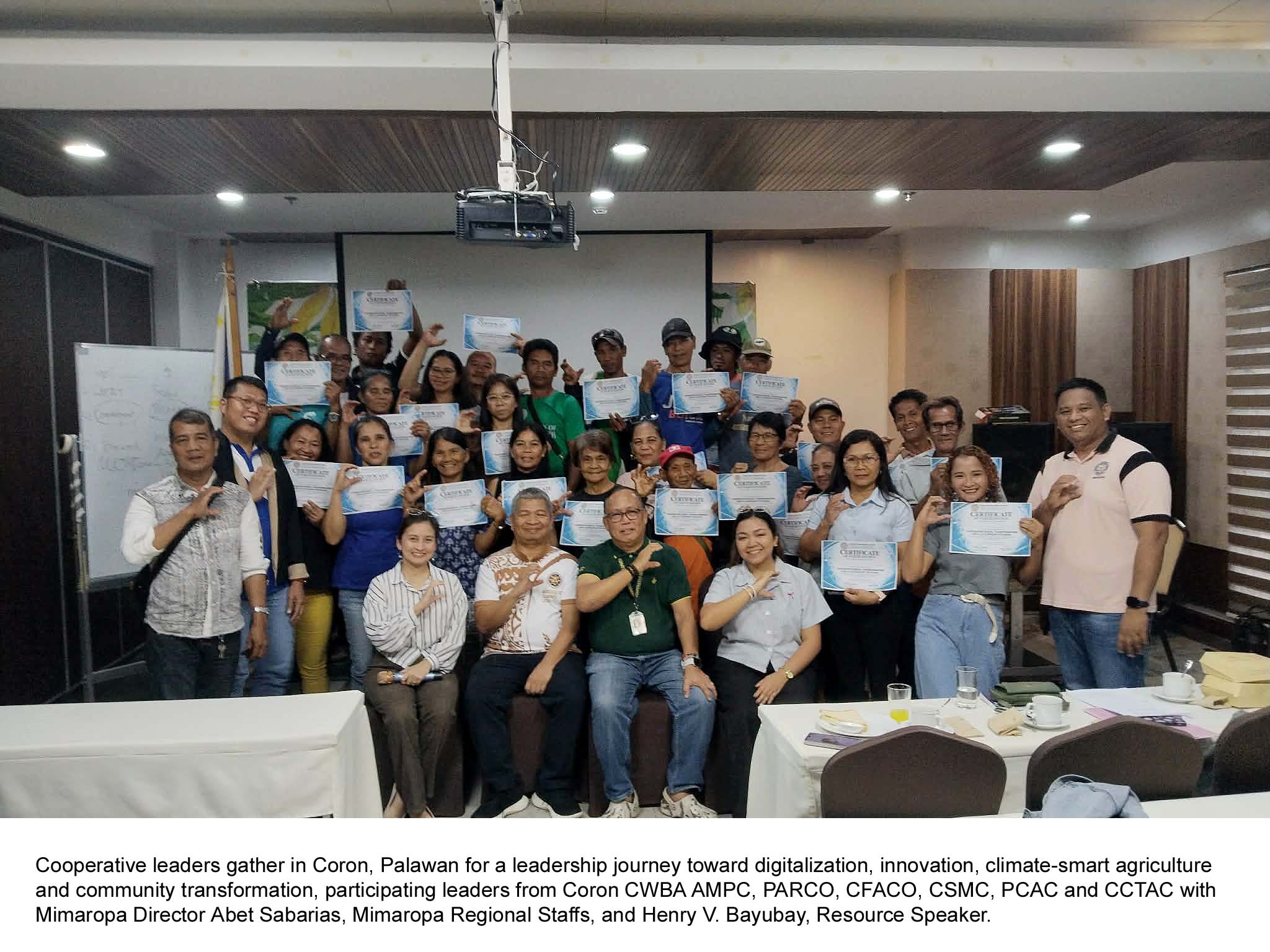
CDA MIMAROPA Empowers Cooperative Leaders to Lead the Digital Transformation and AI Era
Category : AGRI-NEWS
Read More →