PhilJaps Team Unites Filipino and Japanese Experts to Turn Waste Into Livelihood and Strengthen Food Security
News | National Posted on 2026-08-16 02:50:44
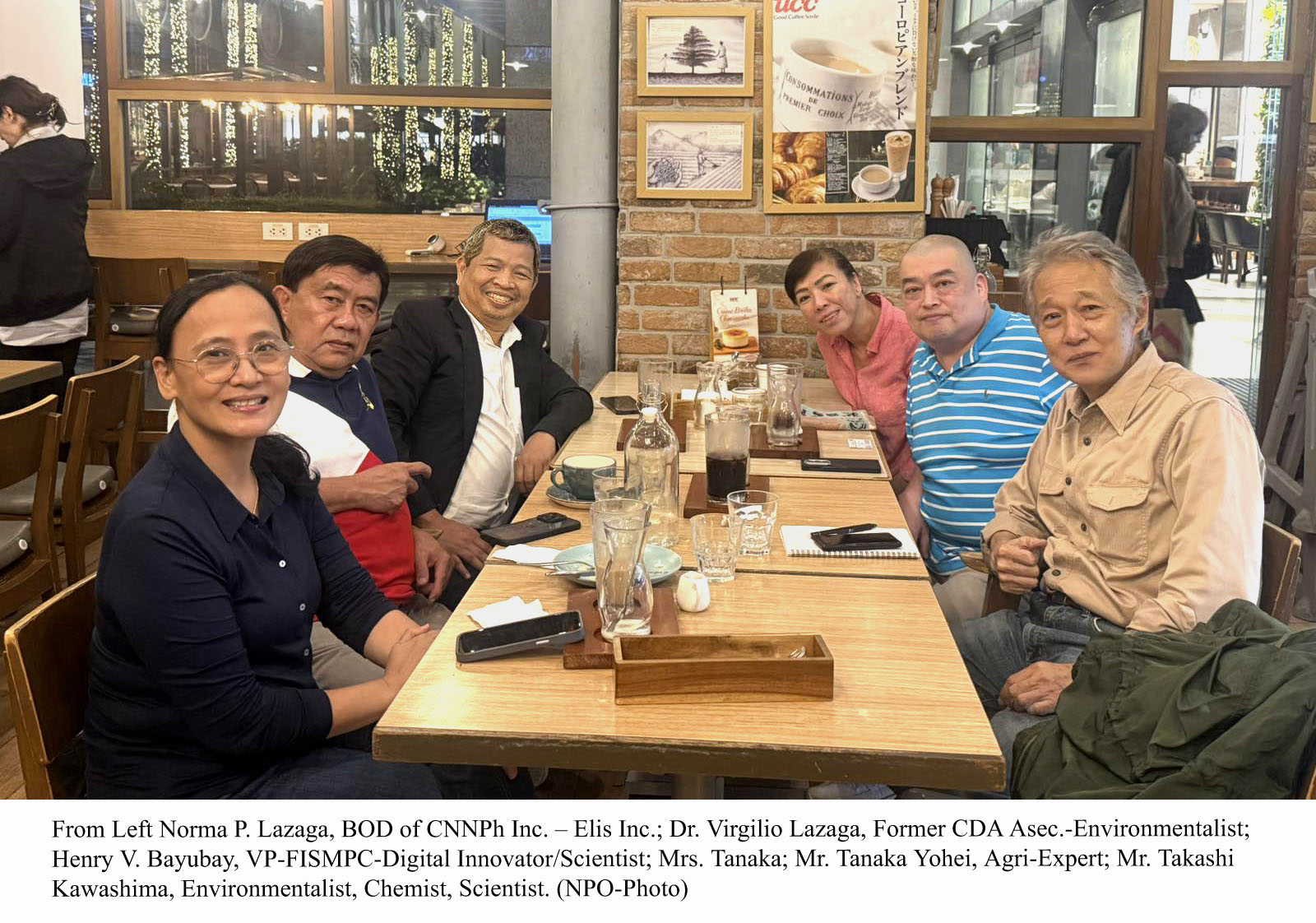
QUEZON CITY, PHILIPPINES — A powerful convergence of Filipino and Japanese environmentalists, scientists, agriculture experts, and digital innovators is emerging with a shared mission: to transform waste from a growing environmental burden into a source of livelihood, resource recovery, and food-security solutions.
Inspired
by a recent gathering of the PhilJaps Team, the group is calling for
immediate and collective action to address two interconnected challenges facing
communities today—waste management and food security. The initiative
brings together individuals whose diverse expertise can contribute to practical
solutions for some of the country's most basic and urgent problems: garbage
accumulation, flooding, environmental degradation, agricultural productivity,
livelihood generation, and sustainable resource management.
A Team Built Around Solutions
Among the
personalities behind this emerging collaboration are:
Dr.
Virgilio Lazaga, Former
Assistant Secretary of the Cooperative Development Authority and an
environmentalist, brings extensive experience in cooperative development and
environmental advocacy—particularly important in building community-based
models where environmental action can also create sustainable livelihood
opportunities.
Henry V.
Bayubay, Vice
President of the Filipino Inventors Society Multipurpose Cooperative (FISMPC),
digital innovator and digital scientist, President CEO of Biorganism
Corporation and BB 88 Advertising and Digital Solutons Inc., brings technology
and digital systems into the conversation. His vision is to connect
environmental protection, agriculture, digital innovation, and livelihood
through integrated platforms and practical technologies.
Mr.
Tanaka Yohei, an
agriculture expert, contributes agricultural knowledge and perspectives that
can help connect resource recovery with productive farming, food production,
and sustainable agricultural systems, and Mrs. Tanaka represents an
important Filipino-Japanese bridge in the initiative, helping strengthen
collaboration and understanding between the participating communities and
partners.
Norma P.
Lazaga, BOD of
CNNPh Inc. and Elis Inc., whose involvement represents the importance of
community and organizational participation in advancing environmental and
social-development initiatives.
Mr. Takahiro Kawashima,
environmentalist, chemist and scientist and Consultant of Biorganism
Corporation, contributes scientific and technical expertise toward
understanding how waste can potentially be recovered, processed, transformed,
and utilized as valuable resources rather than simply disposed of.
Together,
these individuals represent a unique combination of environmental science,
chemistry, agriculture, cooperative development, digital innovation, and
community leadership.
From Garbage Problem to Resource Opportunity
The
group's vision is straightforward but ambitious: What if the garbage
threatening our communities could instead become a source of livelihood?
Every
day, enormous quantities of waste are generated by households, markets,
businesses, farms, and communities. When poorly managed, waste can clog
waterways, contribute to flooding, pollute the environment, create health
risks, and place increasing pressure on landfills.
But waste
can also contain recoverable resources. Organic materials can potentially
support agricultural and soil-related applications. Recyclable materials can be
recovered and reintroduced into productive cycles. Properly managed waste-processing
systems can create jobs, enterprises, and new economic opportunities.
The
PhilJaps Team believes that the challenge is therefore not simply how to
dispose of garbage, but how society can develop responsible systems to recover
value from waste while protecting people and the environment.
Connecting Waste Management With Food Security
The
initiative also recognizes that environmental protection and food security
cannot be treated as separate issues. A healthy agricultural system requires
healthy soil, clean water, stable ecosystems, reliable supply chains, and
resilient communities.
This
creates an opportunity to develop an integrated approach: Waste Recovery →
Resource Recovery → Agriculture → Livelihood → Food Production → Community
Resilience
The goal
is to explore solutions where environmental programs can simultaneously support
farmers, generate livelihood, reduce waste, and contribute to food security. This
vision complements the broader movement toward circular economy principles,
where materials are recovered and reused rather than following a linear pattern
of produce, consume, and discard.
Technology as the Connector
For Henry
V. Bayubay, digital innovation can play an important role in connecting the
different components. Technology can help communities monitor waste flows,
identify recyclable and recoverable materials, coordinate collection, document
transactions, connect farmers and producers with markets, and generate data
needed for better decision-making.
The
long-term vision is therefore not simply a waste-processing project. It is an ecosystem
where:
- Waste becomes a recoverable
resource;
- Resources support
sustainable agriculture;
- Agriculture creates food and
livelihood;
- Communities develop new
enterprises;
- Digital technology connects
the ecosystem; and
- Environmental protection
becomes part of economic development.
A Filipino-Japanese Partnership With a Common
Purpose
The
presence of Filipino and Japanese professionals in the initiative highlights
the potential of international knowledge exchange. The Philippines brings
enormous agricultural potential, natural resources, entrepreneurial
communities, and a strong need for innovative environmental solutions. Japan brings
decades of experience in technology, scientific research, resource efficiency,
agriculture, environmental management, and disciplined community systems.
The
PhilJaps Team seeks to build upon these complementary strengths—not simply
through discussion, but through actual collaboration, research, pilot
projects, technology validation, and community implementation.
The Call: Start Now
The group
recognizes that solving the country's waste and food-security challenges will
not happen overnight. It will require science. It will require technology. It
will require responsible investment. It will require government and
private-sector cooperation. Most importantly, it will require people willing
to work together. The PhilJaps Team is therefore issuing a simple but
powerful call:
Do not
wait for the problem to become bigger. Start turning problems into solutions
today.
·
From
waste to resources.
·
From
resources to livelihood.
·
From
livelihood to food security.
·
From
innovation to community resilience.
·
From collaboration
to national impact.
·
The PhilJaps Team is ready to move.
PHILJAPS TEAM
·
Food Security and Environmental Solutions
·
Let us work together. Let us innovate together. Let us protect our
environment together.
·
And let us turn today's waste problem into tomorrow's opportunity.
NPO News
Team I BB 88 Solutions - PR
Share:
Writer :
Link :
Leave a Comment:
Date: Wednesday | October 7, 2026 | 12:48:am
Sections
Recent News
RECENT POSTS
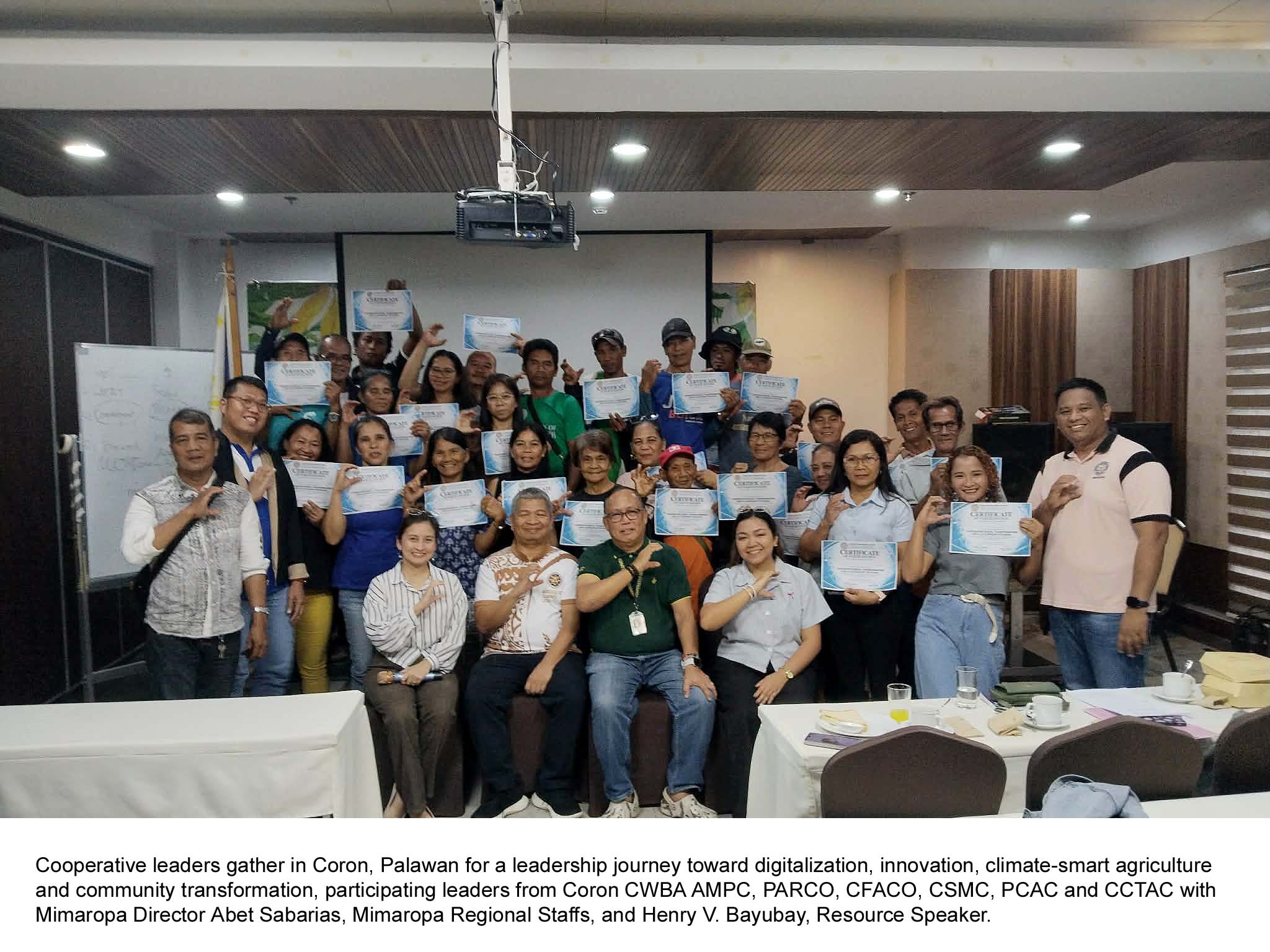
CDA MIMAROPA Empowers Cooperative Leaders to Lead the Digital Transformation and AI Era
Category : AGRI-NEWS
Read More →