BSP Steps Up Efforts to Remove Barriers to Digital Financial Inclusion
Business | Finance Posted on 2026-08-15 02:35:34
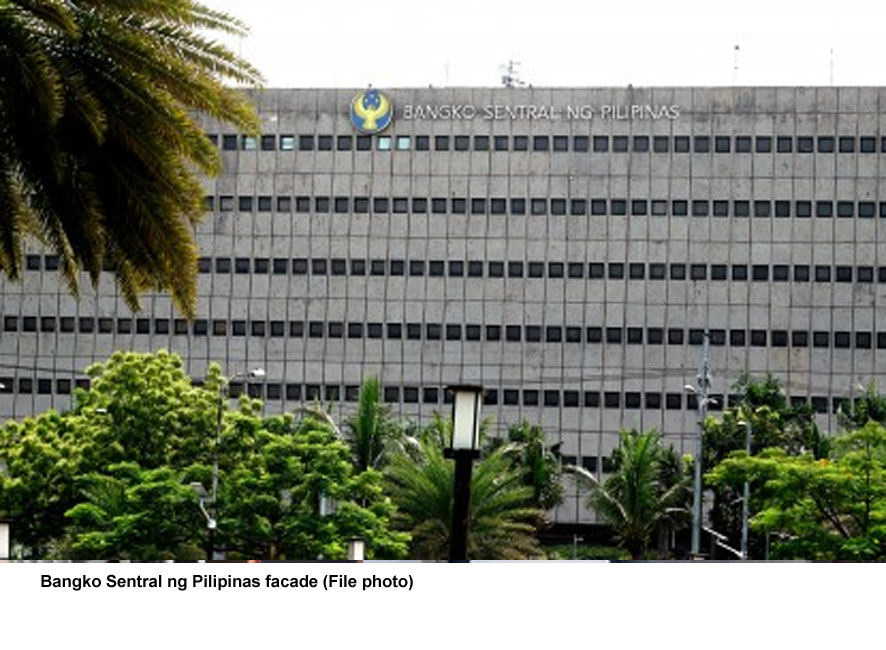
MANILA — The Bangko Sentral ng Pilipinas (BSP) is strengthening its efforts with government agencies and private-sector partners to remove barriers that prevent Filipinos from accessing and benefiting from digital financial services.
The central bank made the commitment following Senator Erwin Tulfo’s call to reduce obstacles to financial access, emphasizing that genuine financial inclusion requires more than simply increasing the number of people with bank accounts or conducting digital transactions.
“The Bangko Sentral ng Pilipinas (BSP) shares the view that financial inclusion goes beyond increasing account ownership and digital transactions,” the BSP said in a statement Friday.
It said true digital financial inclusion means making financial services accessible, affordable, understandable and useful to Filipinos regardless of their circumstances.
Digital payments as gateway to financial services
According to the BSP, digital payments can serve as an important entry point for Filipinos into the formal financial system.
As one of the most widely used financial services, payments can open opportunities for consumers to access other products, including savings, credit, investments and insurance.
Affordability, however, remains an important consideration.
The BSP noted that surveys continue to identify transaction costs as one of the major barriers among people who do not use digital payments, while studies indicate that lower fees can encourage greater adoption.
But the central bank stressed that financial inclusion involves challenges beyond cost.
Account-opening requirements, maintaining balances, internet connectivity, availability of access points, financial and digital literacy, consumer trust, security and ease of use can all influence whether Filipinos participate in the formal financial system.
Programs target access and affordability
To address these challenges, the BSP continues to promote Basic Deposit Accounts, which are designed to make formal banking easier to access.
These accounts can be opened with an initial amount of no more than PHP100 and do not require maintaining balances or impose dormancy charges.
The central bank has also supported the development of an interoperable digital payments system, allowing consumers to conduct a wider range of transactions more conveniently and securely.
Through Paleng-QR Ph Plus, QR-based payments are being promoted among market vendors, tricycle drivers and other community-based businesses, bringing cashless transactions closer to Filipinos in their everyday activities.
Building financial confidence
The BSP also recognizes that access to digital financial services must be accompanied by the knowledge and confidence to use them properly.
Through the BSP E-Learning Academy (BELA) and other financial education programs, the central bank promotes financial and digital literacy to help Filipinos make informed decisions and safely navigate digital financial services.
These efforts are complemented by stronger consumer protection measures intended to enhance public confidence and trust in the financial system.
The BSP is likewise encouraging competition and responsible innovation among banks, electronic wallet providers, fintech companies and other financial institutions, giving consumers more choices while encouraging providers to offer better and more affordable services.
Financial health remains the ultimate goal
The BSP emphasized that simply giving people access to financial products is not the final objective.
“But access and usage are not ends in themselves. The broader goal is financial health,” the central bank said.
Financial services, it added, should help Filipinos manage everyday expenses, save for future needs, obtain appropriate credit and insurance, withstand financial emergencies and build greater long-term financial security.
As lead implementer of the National Strategy for Financial Inclusion, the BSP said it will continue working with government institutions and private-sector stakeholders to identify and address barriers to financial participation.
The goal is to ensure that financial inclusion goes beyond access and digital transactions—and ultimately delivers meaningful improvements in the financial well-being and quality of life of Filipinos.
NPO NEWS TEAM | PNA-PR
Share:
Writer :
Link :
Leave a Comment:
Date: Wednesday | October 7, 2026 | 1:57:am
Sections
Recent News
RECENT POSTS
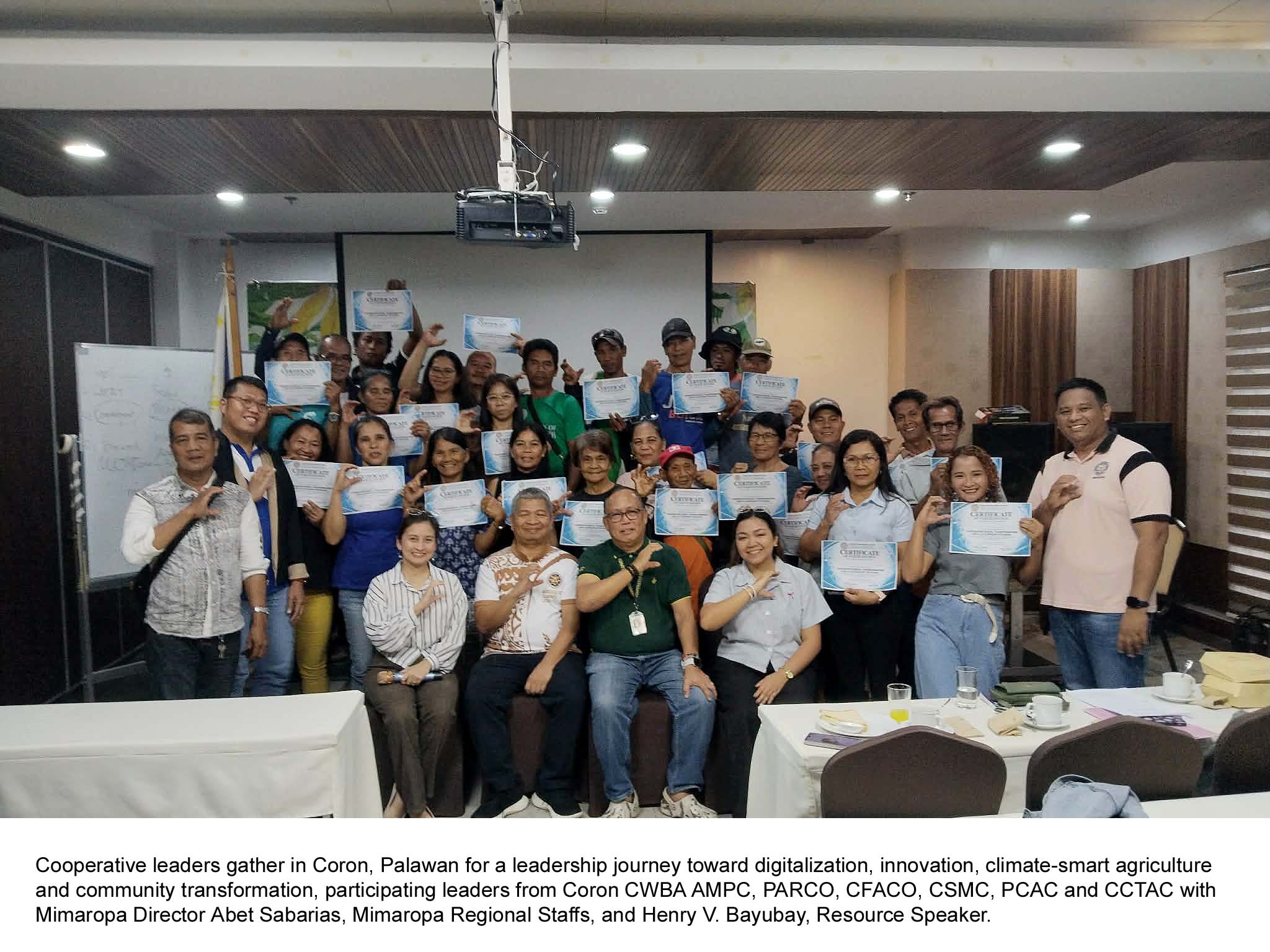
CDA MIMAROPA Empowers Cooperative Leaders to Lead the Digital Transformation and AI Era
Category : AGRI-NEWS
Read More →