PIDS Urges Stronger School-Industry Partnerships to Equip Filipinos for the AI-Driven Workforce
News | National Posted on 2026-08-06 17:07:21
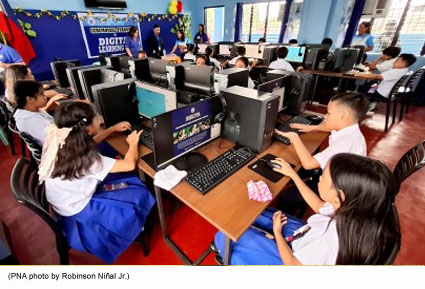
MANILA, Philippines — Strengthening collaboration between educational institutions, industry leaders, and government agencies is crucial to preparing Filipinos for the rapidly evolving job market, particularly as artificial intelligence (AI), digital technologies, and emerging industries reshape workforce demands.
During the Bagong Pilipinas interview on Thursday, Philippine Institute for Development Studies (PIDS) Senior Research Fellow Michael Ralph Abrigo emphasized that while the Philippines has introduced significant education reforms—including the implementation of Kindergarten, the MATATAG Curriculum, and Mother Tongue-Based Multilingual Education (MTB-MLE)—many students still struggle to achieve the level of learning proficiency required for future employment.
Abrigo noted that teachers also continue to face persistent challenges, including heavy workloads, limited classroom resources, and increasing responsibilities that affect the overall quality of education.
He warned that unless these educational gaps are addressed, the country's future workforce and economic competitiveness could suffer.
"If we fail to solve these learning challenges, students will not develop the knowledge and competencies they need. This ultimately affects their future employment opportunities, earning potential, and overall quality of life," Abrigo explained.
According to the PIDS researcher, improving education requires more than government action alone. He called for stronger participation from the private sector through investments in school infrastructure, teacher development, scholarships, internship opportunities, technology integration, and curriculum development that reflects real industry requirements.
Abrigo stressed that closer school-industry collaboration would significantly reduce the long-standing mismatch between graduates' skills and the competencies employers are seeking.
Lifelong Learning Essential in the Digital Economy
As industries continue to evolve because of rapid technological innovation, Abrigo emphasized that learning should no longer end after graduation.
He pointed to the government's growing initiatives on reskilling and upskilling, encouraging workers to continuously acquire new competencies throughout their careers.
"Our education framework today is no longer limited to basic education or college. It now embraces lifelong learning because industries continuously evolve, and workforce requirements constantly change," he said.
He cited the growing demand for artificial intelligence, digital technologies, automation, and emerging digital professions—fields that barely existed several decades ago but are now becoming essential across various industries.
Government-supported training programs, he added, are helping Filipino workers adapt to these technological transformations by enabling them to continuously update their knowledge and remain competitive in the labor market.
Balancing Technical and Human Skills
While AI is expected to transform many industries, Abrigo believes technology should be viewed as an opportunity rather than a threat.
He encouraged workers to develop not only technical expertise but also strengthen transferable competencies such as:
- Leadership
- Critical thinking
- Problem-solving
- Communication
- Creativity
- Adaptability
- Collaboration
These human-centered skills, he said, will remain valuable even as automation and artificial intelligence become more integrated into workplaces.
Abrigo concluded that sustained investments in education and workforce development produce long-term benefits that extend beyond individual learners, contributing to stronger families, higher incomes, improved productivity, and a more competitive Philippine economy.
As the country accelerates its digital transformation, stronger partnerships among schools, businesses, and government institutions are expected to play a critical role in building a future-ready Filipino workforce capable of thriving in an increasingly technology-driven global economy.
NPO News Team I PNA-PIDS_PR
Share:
Writer :
Link :
Leave a Comment:
Date: Monday | August 17, 2026 | 9:59:pm
Sections
Recent News
RECENT POSTS
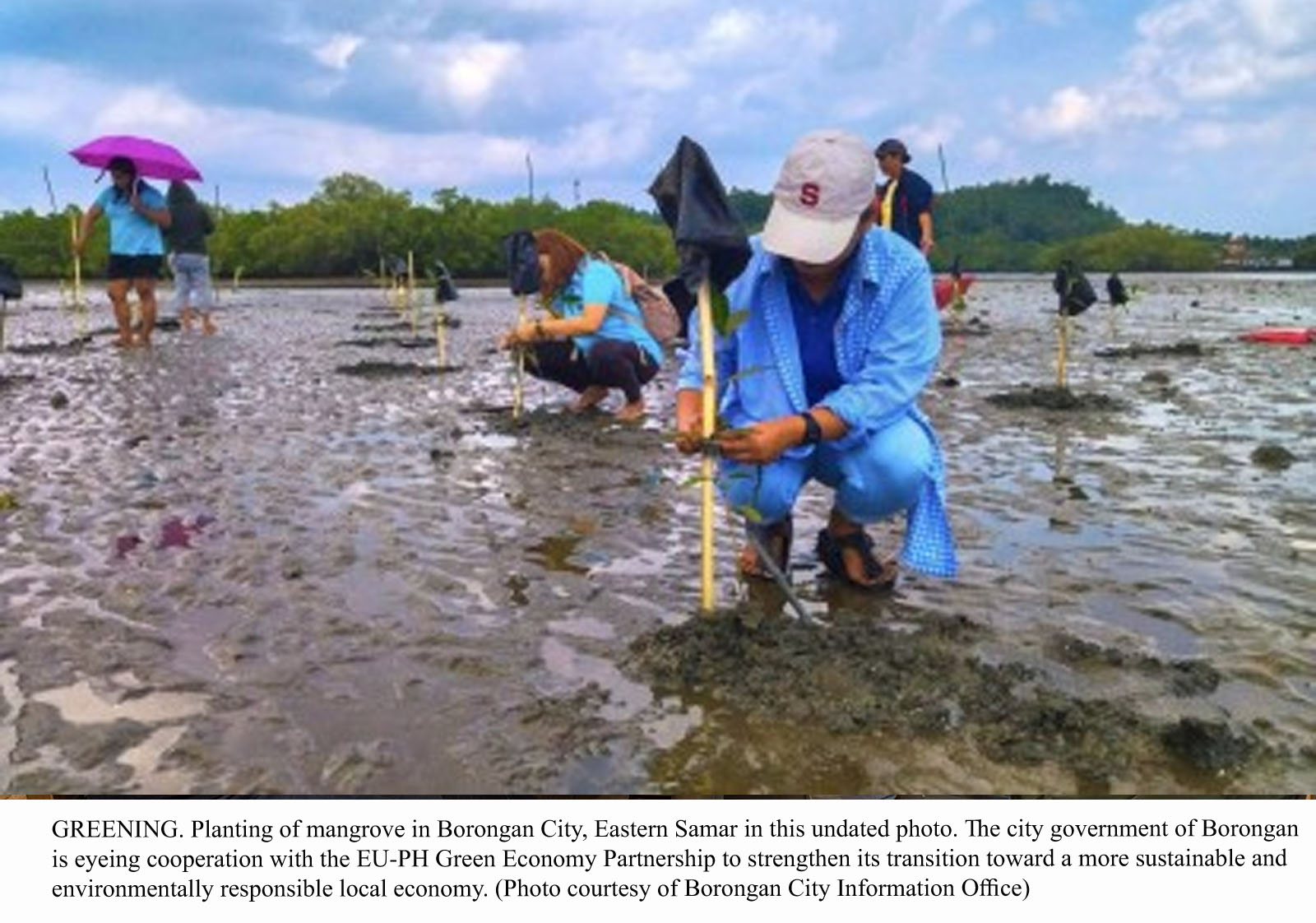

PhilJaps Team Unites Filipino and Japanese Experts to Turn Waste Into Livelihood and Strengthen Food Security
Category : News
Read More →
PhilHealth Leads Multi-Sector Push to Accelerate Universal Health Care Reforms
Category : News
Read More →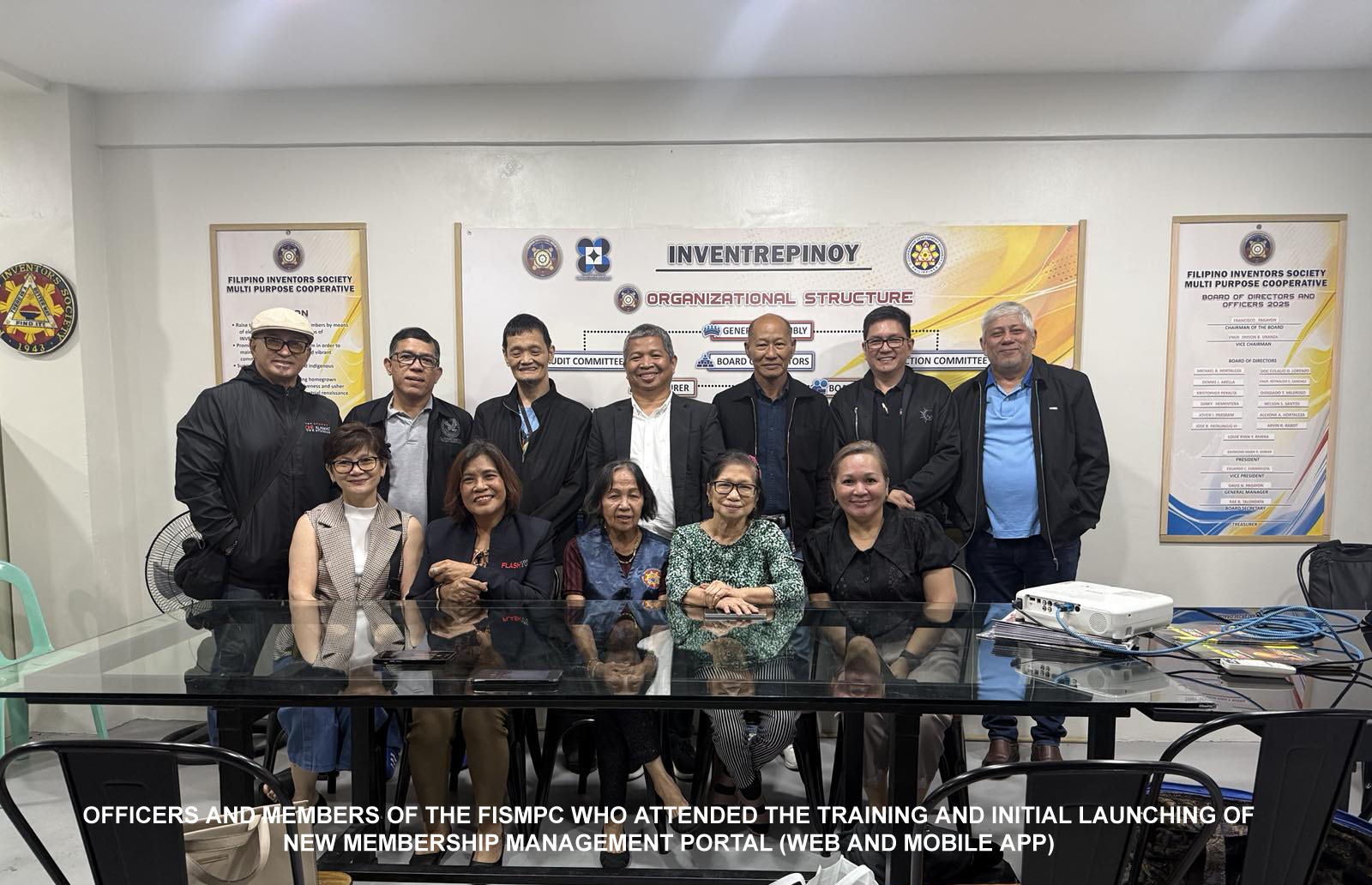
FISMPC Opens a New Digital Era as Members Rally Behind Innovation and Cooperative Transformation
Category : Technology
Read More →