Flash of hopes, prayers in the heart of Marawi IDPs
OPINION | Letter to the Editor Posted on 2026-04-30 02:50:53
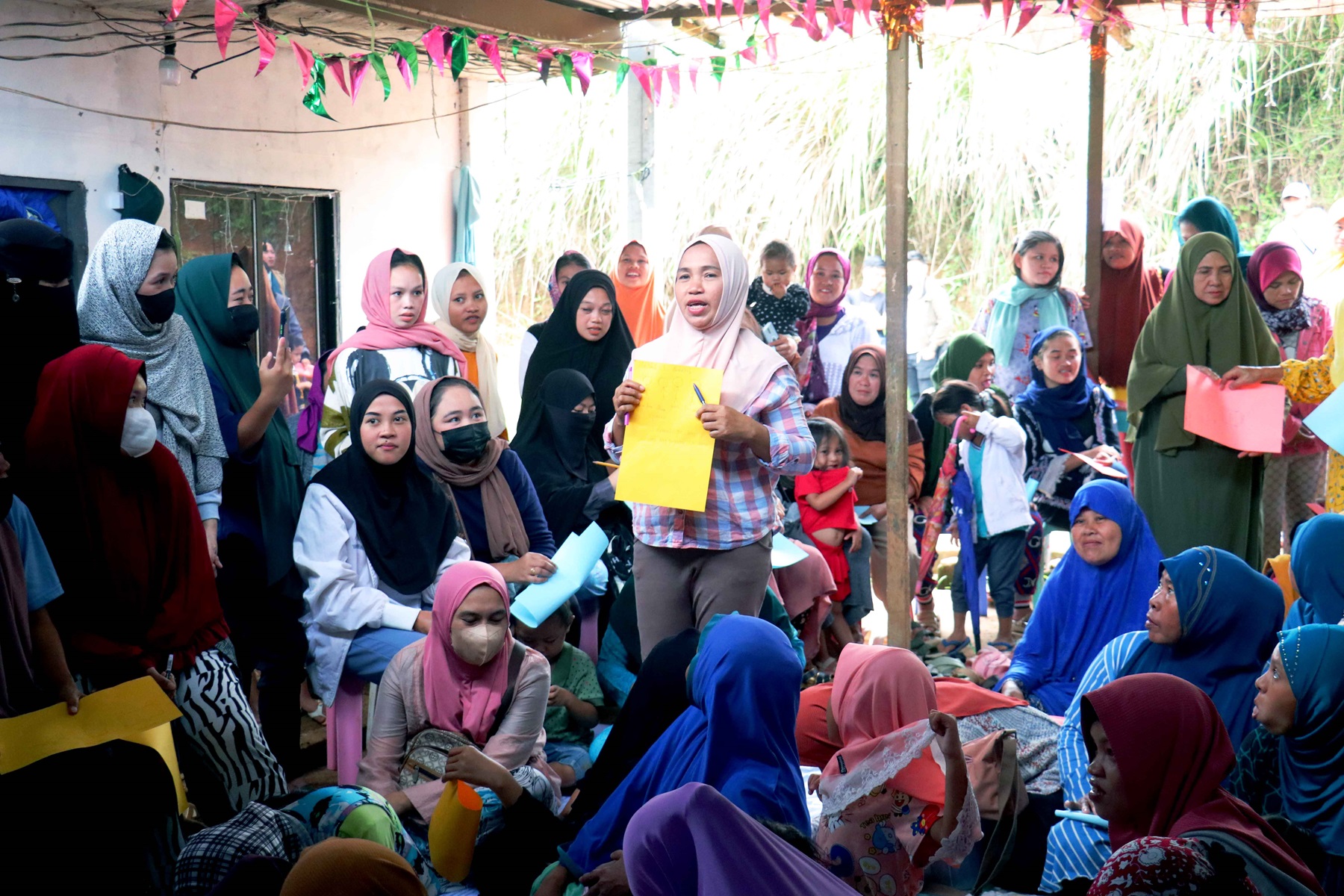
More than five years after the Marawi Siege, it is tempting to believe that recovery is already well underway. Government updates, infrastructure projects, and policy discussions often suggest progress. But on the ground in Marawi City, the reality feels far less certain.
For many Maranaos, especially those still living in temporary shelters, the past is not something they have moved on from. It is something they continue to live with every day.
In places like the Lake View Transitory Shelter in Barangay Boganga, resilience is often highlighted. And it is true. Families have learned to adapt, to rebuild routines, and to support one another in whatever ways they can. But resilience, while admirable, can also be misunderstood. It should not become a reason to normalize prolonged hardship.
Recent efforts led by the Office of the Presidential Adviser on Peace, Reconciliation and Unity brought renewed attention to these communities. Through peace conversations and the distribution of basic assistance such as prayer clothes, school supplies, hygiene kits, and food packs, residents were given a rare opportunity to be heard.
These engagements matter. For communities that often feel overlooked, being listened to is not a small thing. It restores a sense of dignity that prolonged displacement can erode.
But the conversations also revealed something more pressing. Many of the internally displaced persons are not simply asking for aid. They are asking for a way forward.
One of the clearest examples is the push to formalize a small cooperative formed within the shelter. For residents like Raisah Bangonan, this is not just an economic initiative. It is a survival mechanism. In a place where daily needs remain uncertain, the cooperative allows families to borrow money for transportation, food, and other essentials.
It is a simple system, but it reflects a deeper reality. When formal support systems fall short, communities create their own.
Still, these grassroots efforts can only go so far without institutional backing. The call to formalize and support the cooperative is, at its core, a call for recognition. It is a request for the government to see not just the needs of the displaced, but also their attempts to solve their own problems.
There is also a lingering frustration that cannot be ignored. Some residents noted that visits from government agencies are rare. When assistance does arrive, it brings temporary relief and a sense of connection. But inconsistency in engagement leaves communities in a cycle of uncertainty.
Beyond economic concerns, there remains a strong desire to return to the most affected areas. For many, “home” is not the transitory shelter they have occupied for years. It is the place they lost, and continue to hope to reclaim.
Requests for basic goods, like groceries that can be consumed or sold, may sound modest. But they point to a larger issue. Livelihood has yet to fully recover, and many families are still trying to rebuild from a position of instability.
What stands out, despite all of this, is the persistence of hope. It would be easy to focus only on what has not been done. But the people in these communities continue to look ahead, holding on to the belief that their situation will improve.
That optimism, however, should not be taken for granted.
Recovery is not just about rebuilding structures or holding consultations. It is about ensuring that people no longer feel stuck in transition. It is about turning temporary shelters into stepping stones, not permanent realities.
The story of Marawi today is not just about survival. It is about unfinished recovery. And until that recovery is felt in the daily lives of those still displaced, the work remains incomplete.
NPO News Team | Philippine Information Agency - PR
Share:
Writer :
Link :
Leave a Comment:
Date: Wednesday | October 7, 2026 | 12:48:am
Sections
Recent News
RECENT POSTS
CDA MIMAROPA Empowers Cooperative Leaders to Lead the Digital Transformation and AI Era
Category : AGRI-NEWS
Read More →