Eyes on Mindanao
OPINION | Letter to the Editor Posted on 2026-04-30 02:41:14
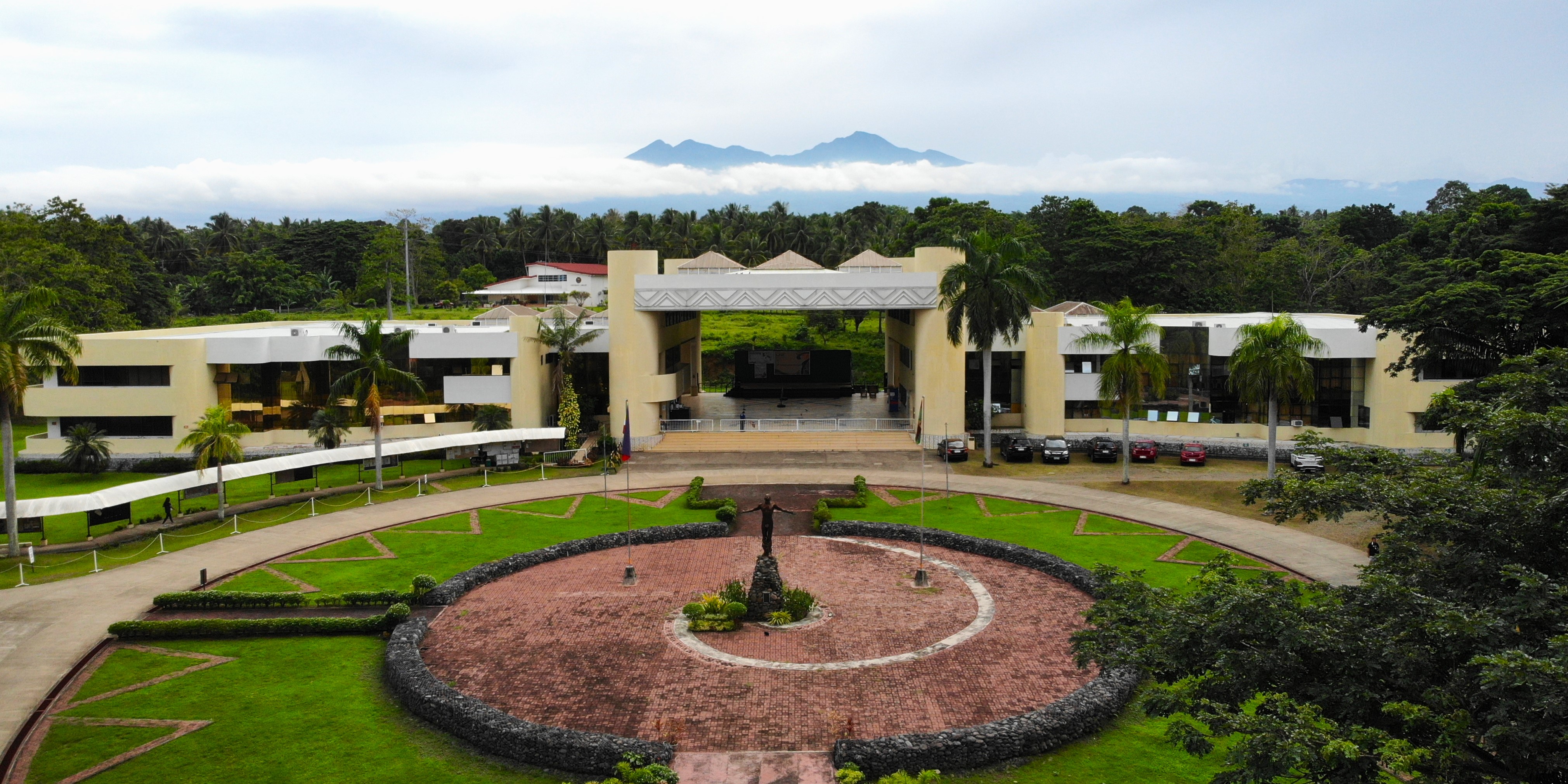
When a university chooses where to hold a ceremony, it is never just about logistics. It is about what the institution chooses to value.
So when Angelo Azura Jimenez was formally installed as the 22nd President of the University of the Philippines in UP Mindanao, the decision carried weight beyond symbolism. It signaled a shift in attention, one that acknowledges a long-standing imbalance within the country’s premier state university system.
For decades, the center of gravity of UP has been in UP Diliman. That reality is not inherently problematic, but it has shaped how resources, opportunities, and even prestige are distributed. Holding the investiture in Mindanao challenges that pattern, even if only in gesture for now.
Jimenez himself seems aware that symbolism alone is not enough. His message to the media was straightforward. The choice of Davao was not just personal. It was strategic. Mindanao, as he pointed out, needs attention.
That statement may sound obvious, but it is also an uncomfortable admission. For all the rhetoric about national development, the country’s poorest regions remain concentrated in Mindanao. If UP is serious about being a national university, then its presence there cannot remain peripheral.
Jimenez’s background adds another layer to this narrative. Coming from Butuan City and having Manobo roots, he represents a leadership perspective that has rarely been seen at this level in UP. His story, from student regent to university president, reflects the institution’s ideal of mobility through education. But it also raises a question. How often does UP truly open its doors to those outside its traditional pipelines?
His proposal to expand UP Mindanao is one of the more concrete steps in addressing this. The idea is practical. UP Diliman is already stretched, while campuses in the Visayas and Mindanao have room to grow. Redistributing students across the system is not just about easing congestion. It is about redefining where quality education can and should happen.
Still, expansion is easier to promise than to execute. Facilities, faculty, and funding will determine whether this vision becomes reality or remains aspirational. The plan to establish a college of medicine in Davao, potentially in partnership with the local government, is promising. But it will require sustained commitment beyond a single term of leadership.
Jimenez’s broader vision of transforming UP into a research university also deserves scrutiny. The push to shift focus toward graduate and post-graduate studies aligns with global academic trends. However, it risks creating a divide if undergraduate education in other state universities is not strengthened at the same pace.
To his credit, Jimenez acknowledges this. His emphasis on collaboration with other state universities and colleges, including Mindanao State University, suggests a more networked approach to higher education. The idea that one can receive a UP-quality education without necessarily being in UP is both ambitious and disruptive. It challenges the exclusivity that has long defined the institution.
Equally notable is his focus on democratizing access. The reality that a majority of UP students come from private schools reflects deeper inequalities in the Philippine education system. Programs like the proposed First-Generation UP Admissions initiative attempt to address this gap. But they also walk a delicate line between expanding access and maintaining standards.
His stance is clear. Standards will not be lowered. Instead, support systems such as bridging programs will be strengthened. It is a reasonable position, though its success will depend on how well these interventions are designed and implemented.
Then there is digital transformation. Jimenez’s push for a learner-centered approach, including policies on artificial intelligence, shows an awareness that education is rapidly changing. But digitalization is not just about adopting new tools. It also requires addressing uneven access to technology, especially in regions that are already underserved.
In many ways, Jimenez’s presidency begins with a set of difficult but necessary conversations. About geography. About access. About what it really means to be a national university.
Holding the investiture in Mindanao does not solve these issues. But it does force the institution to confront them more directly.
The real test will come in the years ahead. Not in ceremonies or speeches, but in whether students in Mindanao experience tangible changes. More classrooms. Better facilities. Greater opportunities.
Because in the end, a national university should not just represent the nation in name. It should be present, relevant, and accessible to all parts of it.
NPO News Team | Philippine Information Agency - PR
Share:
Writer :
Link :
Leave a Comment:
Date: Wednesday | October 7, 2026 | 12:48:am
Sections
Recent News
RECENT POSTS
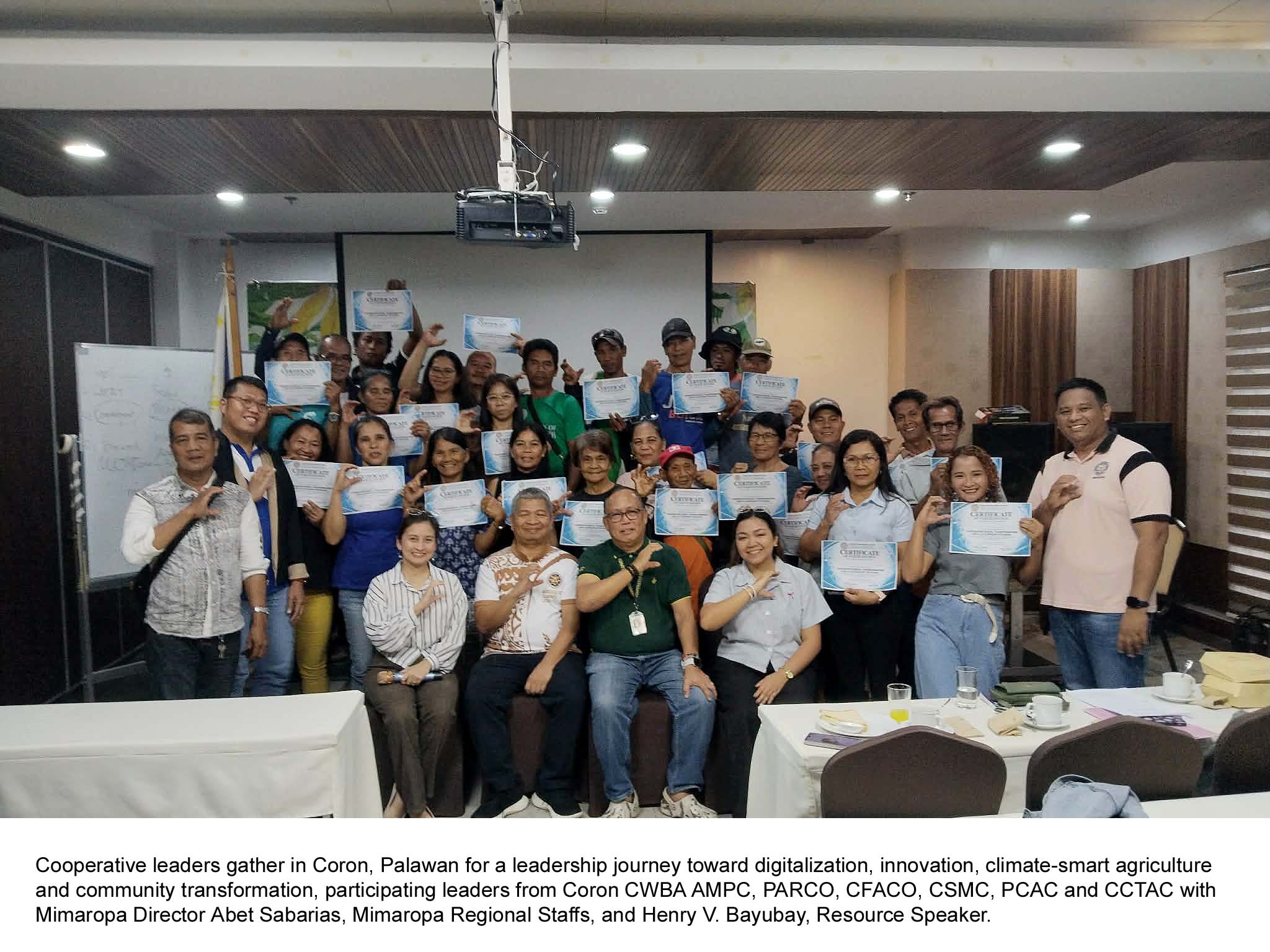
CDA MIMAROPA Empowers Cooperative Leaders to Lead the Digital Transformation and AI Era
Category : AGRI-NEWS
Read More →