Have you seen the sign?
OPINION | Letter to the Editor Posted on 2026-04-29 03:47:49
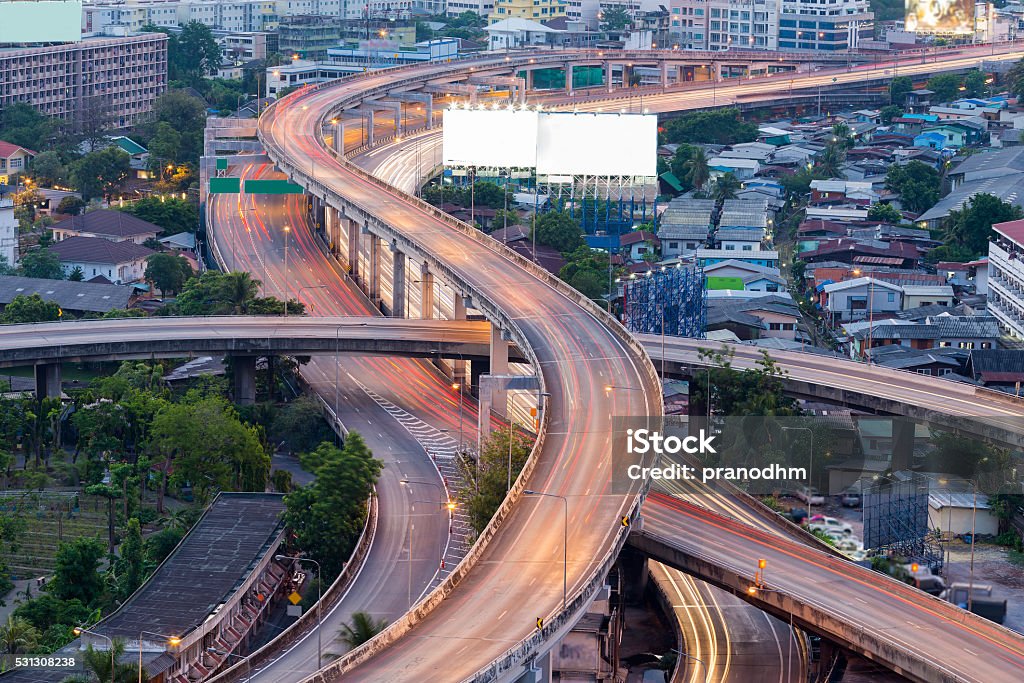
Driving along the South Luzon Expressway or weaving through the usual congestion of Metro Manila, it is hard to miss the billboards towering above the chaos. Most people glance at them without much thought. But if you look a little longer, they begin to tell a story, not just about advertising, but about the state of the economy and even the mood of the public.
To me, these billboards have become quiet indicators of how business is really doing. When the economy is strong, every inch of space is filled, brands competing for attention in louder and brighter ways. But when things slow down, the change is visible. Ads disappear. Tarpaulins come down. What is left are empty frames or those blunt signs that read “space for rent.” They feel less like marketing tools and more like reminders that something is not working.
I have always thought of those empty structures as skeletons. They stand there, exposed, hinting at businesses that have pulled back or simply could not keep up. You see more of them when uncertainty creeps in, whether from economic downturns or external shocks. They are not official statistics, but in their own way, they are just as telling.
Yet there is an interesting contrast that has emerged over the years. Some of those unused spaces are not left empty at all. Instead, they are filled with stark black-and-white messages, simple, direct, and often striking. Lines like “We need to talk – God” or “Well, you did ask for a sign – God” cut through the usual commercial noise.
These “Messages from God” billboards are not new. Variations of them have appeared even before the COVID-19 pandemic, continued through it, and remain today. They borrow from a style popularized abroad, particularly in the United States, where humor and faith are blended to catch attention. But in the Philippine setting, they seem to carry a different weight.
In a country where faith is deeply woven into daily life, these messages land somewhere between humor and reflection. They turn unused advertising space into something more personal, almost like a public conversation. Whether one takes them seriously or not, they interrupt the routine of traffic and deadlines with a moment of pause.
Still, while these billboards offer a kind of symbolic comfort, they also sit against a much more pressing reality, one that no clever message can solve. The heat in our cities has become harder to ignore.
Walking through dense urban areas today often feels like stepping into an oven. Concrete, glass, and metal trap heat during the day and release it slowly at night. Air conditioners provide relief indoors, but they also contribute to the cycle. What we are left with is an environment that feels increasingly hostile, especially for those who cannot afford constant cooling.
This is where I think we have fallen short. We have placed so much attention on large-scale environmental campaigns in distant مناطق, planting trees in mountains and remote areas, while neglecting the spaces where most people actually live. Urban greening remains more of an idea than a serious priority.
It is puzzling, especially when you consider how much difference it could make. Trees, rooftop gardens, and even simple vertical greenery can lower temperatures, improve air quality, and make neighborhoods more livable. Yet in many parts of the city, these are discouraged or overlooked. Some residential buildings even restrict plants in balconies, prioritizing uniformity over practicality.
There are exceptions, of course. Some private developments have embraced greener designs, and companies like San Miguel Corporation have integrated sustainability into their spaces. But these efforts remain scattered, not systemic.
If anything, the growing discomfort in our cities should push institutions like the Department of the Interior and Local Government to take a more active role. Urban greening should not be optional or decorative. It should be part of how we design communities moving forward.
In a way, the billboards and the heat are connected. One reflects the economic climate, the other the environmental one. Both are visible, both are immediate, and both demand attention. Yet we often pass by them without fully engaging with what they are telling us.
Maybe those black-and-white signs have it right. Sometimes, we do need to pause and reflect. Not just in a spiritual sense, but in how we respond to the challenges around us, whether it is a struggling economy or a city that is slowly becoming harder to live in.
NPO News Team | Philippine Star - PR
Share:
Writer :
Link :
Leave a Comment:
Date: Wednesday | October 7, 2026 | 12:49:am
Sections
Recent News
RECENT POSTS
CDA MIMAROPA Empowers Cooperative Leaders to Lead the Digital Transformation and AI Era
Category : AGRI-NEWS
Read More →