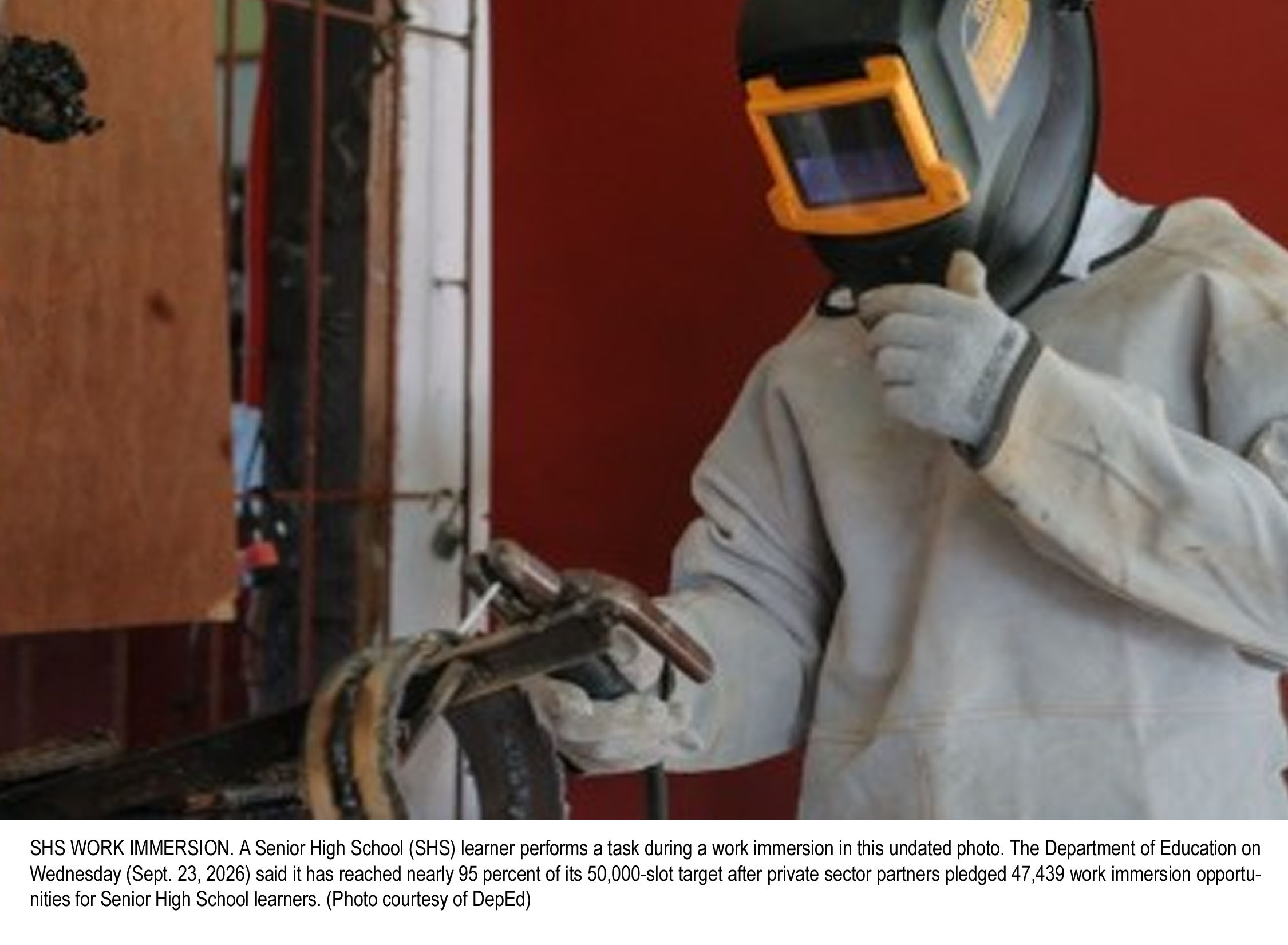
As one market closes, another opens with government support
OPINION | Letter to the Editor Posted on 2026-04-29 03:41:01

When the COVID-19 pandemic forced classrooms to shut down, it did more than disrupt education. It quietly dismantled the small ecosystems that depended on student life. For entrepreneurs like Marie Claire Bince, it meant losing her core market almost overnight.
Her story is a familiar one, but it deserves more attention than it usually gets. We often talk about how large businesses pivoted during the pandemic, but small entrepreneurs had to improvise in real time, with limited resources and no guarantees. In Bince’s case, survival came down to something as simple as making use of what was already on hand.
With students gone and orders drying up, she turned to basic materials and taught herself how to create packaging. It was not part of her original plan. Her business, Purple Craft, began as a scrapbooking store built on creativity and a love for crafts. But when demand shifted, she adapted, not because it was easy, but because it was necessary.
What stands out in her journey is how opportunity emerged from constraint. As food deliveries surged, so did the need for takeout packaging. Bince stepped into that gap, starting with simple designs and gradually refining her products through self-learning. Today, her business produces customized rigid boxes for a wide range of clients. That kind of transformation does not happen without persistence, but it also reflects a broader truth about entrepreneurship. Adaptability often matters more than initial plans.
Still, it would be misleading to frame her success as purely individual effort. Support from institutions like the Department of Trade and Industry played a significant role in helping her scale. Training programs and mentorship gave her tools not just to survive, but to grow. The same can be said for assistance from the Department of Labor and Employment, which improved her production capacity and efficiency.
This raises an important point. Government programs often face skepticism, sometimes for good reason. But stories like Bince’s show that when these initiatives are accessible and sustained, they can make a tangible difference. The challenge is ensuring that more entrepreneurs are aware of and able to benefit from them.
Her growth has also created ripple effects. By hiring students and sourcing materials locally, she is contributing to a small but meaningful cycle of community support. It is a reminder that entrepreneurship, at its best, does not operate in isolation. It builds networks that allow others to participate and benefit.
What I find particularly compelling is her approach to leadership. She rejects the idea that leadership is defined by gender, focusing instead on resilience and accountability. At the same time, she sets clear boundaries, recognizing that productivity should not come at the expense of personal well-being. That balance is often overlooked in discussions about business success.
Looking ahead, her plans to expand and collaborate with other entrepreneurs reflect a mindset that goes beyond profit. Growth, in her view, includes helping others grow as well. It is a perspective that feels especially relevant in a post-pandemic economy where recovery is still uneven.
Bince’s journey is not just about one business adapting to a crisis. It is about what becomes possible when creativity meets necessity, and when support systems, both personal and institutional, are allowed to work together. If there is a lesson here, it is not simply to start a business or chase opportunity. It is to remain open to change, even when it arrives uninvited.
NPO News Team | Philippine Information Agency - PR
Share:
Writer :
Link :
Leave a Comment:
Date: Wednesday | October 7, 2026 | 12:49:am
Sections
Recent News
RECENT POSTS
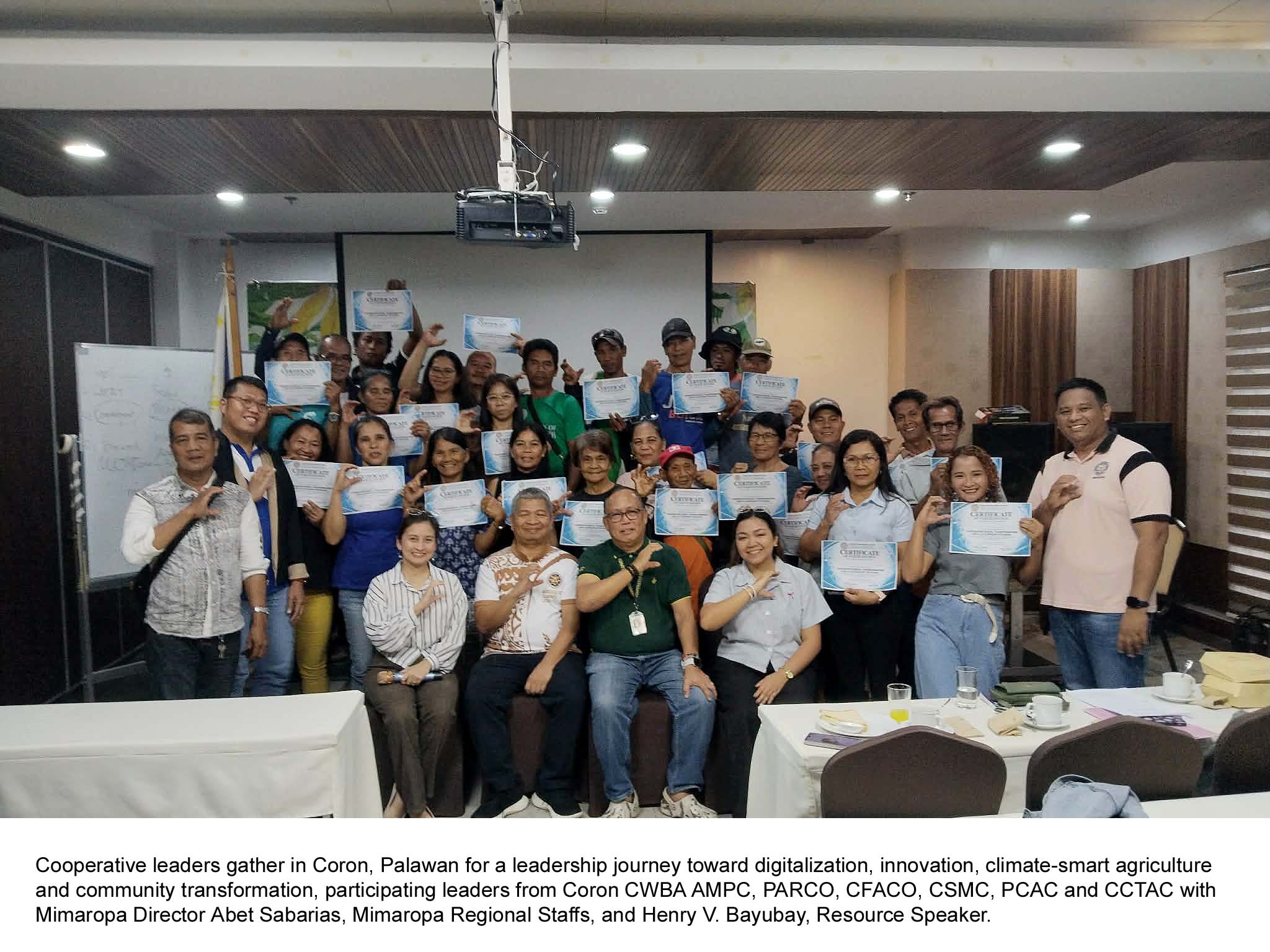
CDA MIMAROPA Empowers Cooperative Leaders to Lead the Digital Transformation and AI Era
Category : AGRI-NEWS
Read More →