With government aid and faith, a survivor rebuilds her life after the Marawi siege
OPINION | Letter to the Editor Posted on 2026-04-29 03:35:38
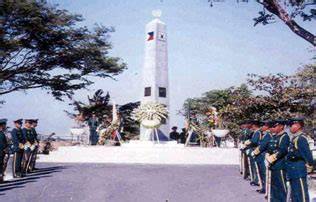
For many, the story of the Marawi siege has faded into headlines of the past. But for survivors like Raisalam Banisil, its impact is not something that can simply be left behind. It is lived, every day, in memory, in loss, and in the slow, uneven process of rebuilding.
Listening to Banisil’s account, what stands out is not just the scale of destruction, but how deeply personal the aftermath remains. Displacement is often described in numbers, thousands of families, entire communities uprooted. Yet her story reminds us that behind those figures are individuals forced to make impossible decisions in moments of fear. She fled with nothing, separated from her children, uncertain if they would find each other again. That kind of uncertainty does not end when the gunfire stops.
Her journey from one place to another, from Marawi to nearby towns and eventually to Iligan City, reflects the reality many evacuees faced. Constant movement, dependence on others, and the exhaustion of survival without stability. These are not just temporary hardships. They shape how people recover, and whether they are able to do so at all.
What I find particularly telling is the struggle she faced after the conflict. We often assume that once aid is made available, recovery follows naturally. But Banisil’s experience challenges that assumption. Accessing assistance required documents she no longer had, proof that had been erased along with her home. For survivors, bureaucracy can feel like a second barrier, one that tests patience and resilience long after the initial trauma.
Even when support finally came through institutions like the Marawi Compensation Board, it brought mixed emotions. Relief, certainly, but also fear and uncertainty about how the assistance might affect her safety or relationships. It is a reminder that recovery is not just about financial aid. It is also about restoring a sense of security and control over one’s life.
What ultimately anchors Banisil is her faith. She speaks of relying on Allah’s will, not as an abstract idea, but as something that guided her through loss, displacement, and the long wait for assistance. In many ways, her faith filled the gaps left by systems that could only do so much.
Today, her life is quieter, built around a small farm and the modest income it provides. It is not a complete return to what was lost, but it is a step forward. And perhaps that is the most honest way to understand recovery in places like Marawi. It is not about restoring the past exactly as it was, but about finding a way to move forward with what remains.
Her story raises an uncomfortable question. Have we done enough for Marawi, or have we moved on too quickly? Rehabilitation is not just about rebuilding structures. It is about ensuring that survivors are supported in ways that recognize the full weight of what they have endured.
Banisil’s experience suggests that while progress has been made, there is still a long road ahead. Recovery is not measured only in funds released or houses rebuilt, but in whether people like her feel secure, supported, and able to rebuild their lives with dignity.
If we are to truly learn from Marawi, then stories like hers should not be seen as isolated accounts. They should shape how we respond to future crises, with more empathy, less bureaucracy, and a deeper understanding that recovery does not end when the headlines do.
NPO News Team | Philippine Information Agency - PR
Share:
Writer :
Link :
Leave a Comment:
Date: Monday | August 17, 2026 | 10:09:pm
Sections
Recent News
RECENT POSTS
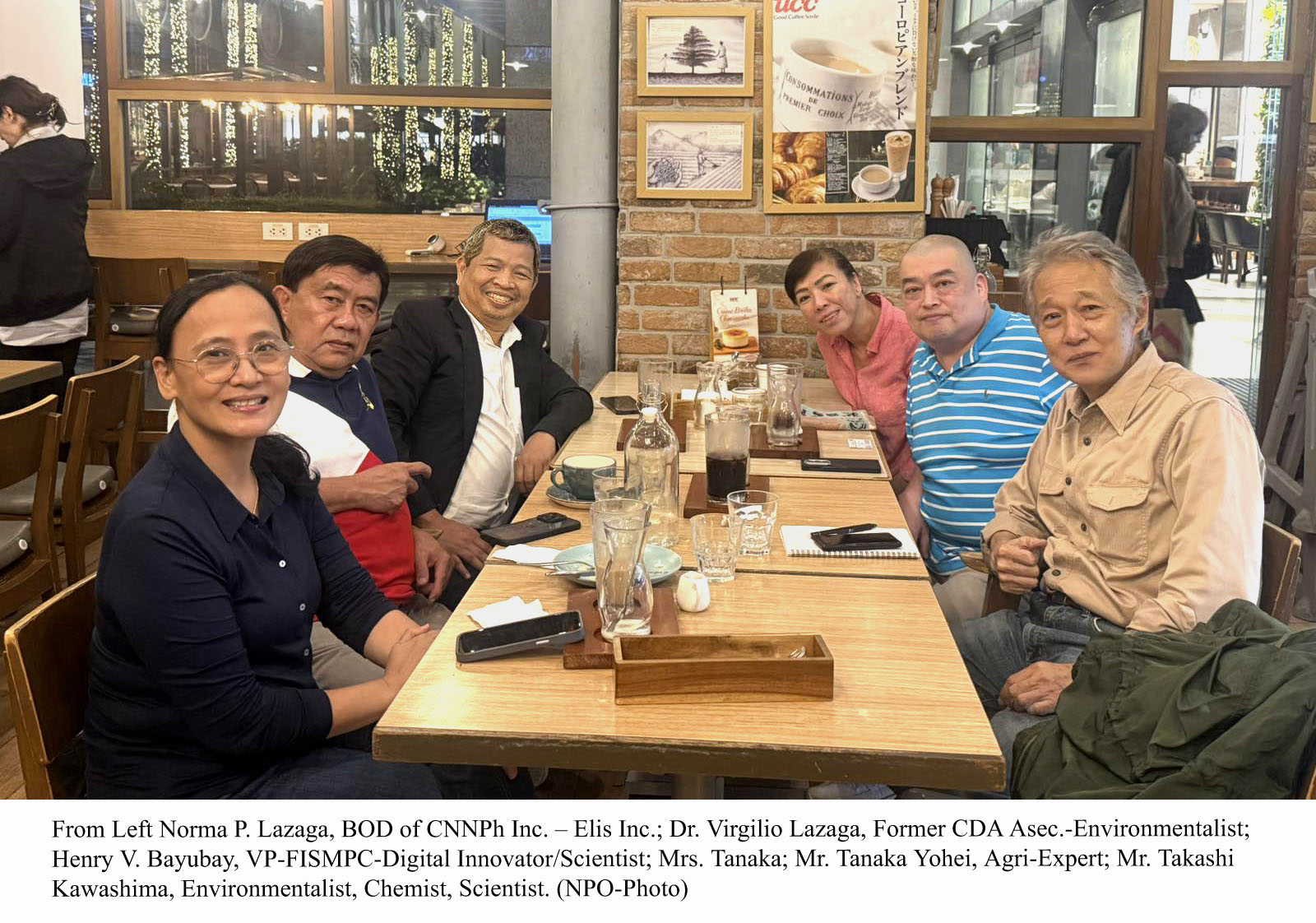
PhilJaps Team Unites Filipino and Japanese Experts to Turn Waste Into Livelihood and Strengthen Food Security
Category : News
Read More →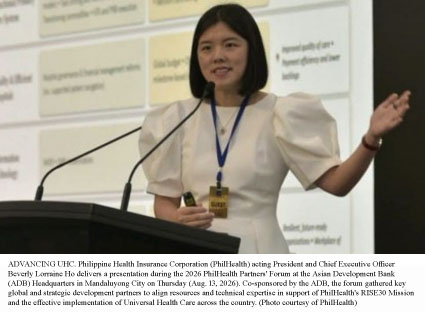
PhilHealth Leads Multi-Sector Push to Accelerate Universal Health Care Reforms
Category : News
Read More →
FISMPC Opens a New Digital Era as Members Rally Behind Innovation and Cooperative Transformation
Category : Technology
Read More →