Water security
OPINION | Letter to the Editor Posted on 2026-04-29 03:30:18
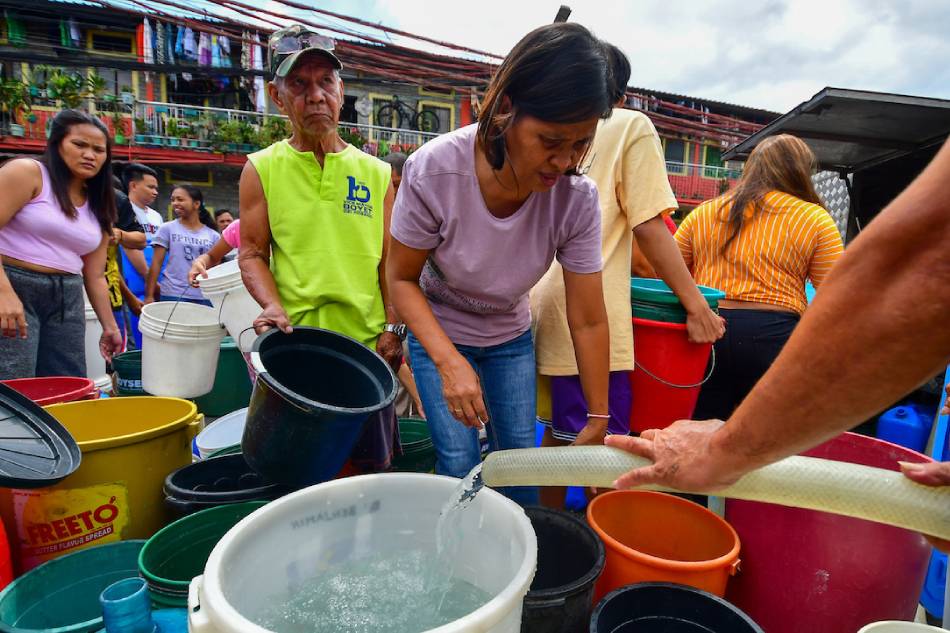
The crisis in the Middle East is often framed in terms of oil, inflation, and geopolitics. Those are valid concerns. But in focusing too much on fuel prices and supply chains, we may be overlooking a quieter issue that could shape the country’s long-term resilience just as deeply: water security.
In the Philippines, households are already feeling the pressure of rising costs. Government interventions such as fuel subsidies, transport aid, and temporary price controls offer some relief, but they are short-term solutions to what is clearly a prolonged global disruption. If projections hold and fuel prices remain elevated until 2026, the risk of stagflation becomes more than just an economic buzzword. It becomes a daily reality for families trying to stretch limited incomes.
What troubles me is how rarely water enters this conversation.
We talk endlessly about rice prices and gasoline. We debate subsidies and tax suspensions. Yet access to clean and affordable water, which is just as essential as food and energy, barely gets the same urgency. This gap in attention is not just a policy oversight. It reflects a deeper tendency to prioritize visible crises over those that unfold quietly in communities.
The efforts of the Department of Environment and Natural Resources, particularly through its Water Resources Management Office, show that progress is possible when water is treated as a priority. In small island communities where families once paid steep prices for drinking water, filtration systems have brought costs down significantly. That difference may seem modest on paper, but for low-income households, it can mean the ability to afford medicine or keep children in school.
These initiatives are not just about affordability. Projects like subsurface water extraction and science-based well placement point to a more sustainable approach to resource management. They suggest that with the right investment and planning, water systems can be made more resilient to both climate change and population growth.
Still, there is a glaring mismatch between ambition and funding. Allocating a fraction of what is needed to secure the country’s water future sends a troubling message about priorities. If billions can be mobilized to cushion the impact of volatile fuel prices, why is the same urgency not applied to ensuring that every Filipino has access to safe water?
Water security should not be treated as a secondary concern that can wait for better fiscal conditions. It is central to public health, economic stability, and social equity. Rising energy costs will inevitably affect water treatment and distribution, making the issue even more urgent in the years ahead.
What is needed is a broader shift in how we think about resilience. It is not just about responding to crises as they arise, but about strengthening the systems that allow communities to withstand them in the first place. That includes water.
Government cannot do this alone. Local governments, private companies, and communities themselves must work together to build and maintain sustainable water systems. At the same time, citizens need to demand more from policymakers, not just in terms of immediate relief, but in long-term planning that secures basic needs.
In the end, resilience is not only measured by how we manage fuel shocks or inflation rates. It is also reflected in whether families can turn on a tap and trust the water that comes out. That is a standard worth aiming for, and one that deserves far more attention than it currently receives.
NPO News Team | Philippine News Agency - PR
Share:
Writer :
Link :
Leave a Comment:
Date: Monday | June 22, 2026 | 1:25:pm
Sections
Recent News
RECENT POSTS

ELIS Inc. Successfully Concludes Strategic China Business Mission; Strengthens International Partnership for Smart Mobility and Sustainable Transport Development
Category : Business
Read More →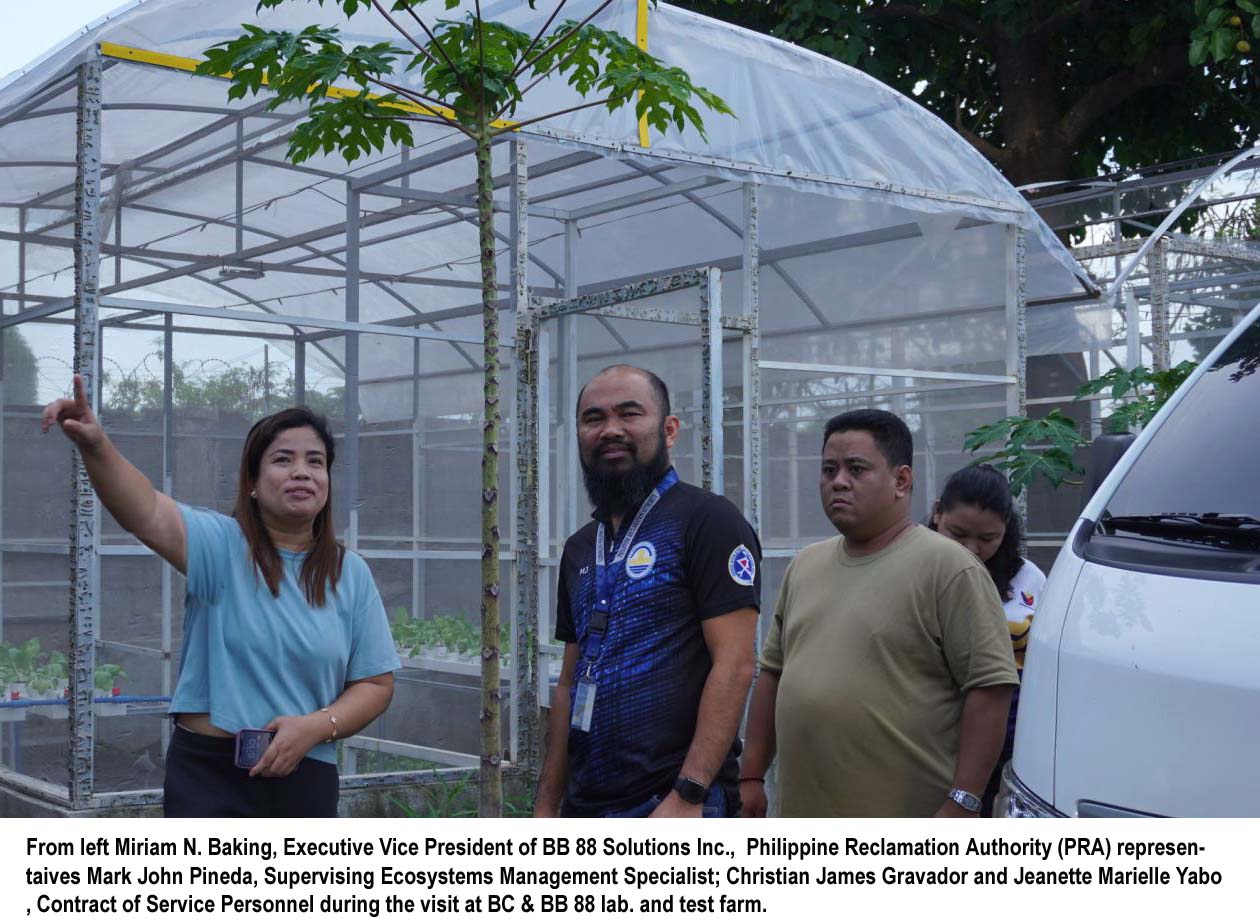
Philippine Reclamation Authority (PRA) Conducts Official Site Visit to BC AGRI-System Climate-Smart Agriculture Laboratory; Greenhouse Deployment Project Moves Toward Implementation
Category : AGRI-NEWS
Read More →
Philippine Real Estate Portal Emerges as One of the Most Promising Real Estate Platforms in the Philippines
Category : Lifestyle
Read More →