Philippines Flags Food Security Threats at FAO Asia-Pacific Forum
AGRI-NEWS | INTERNATIONAL Posted on 2026-04-29 02:25:24
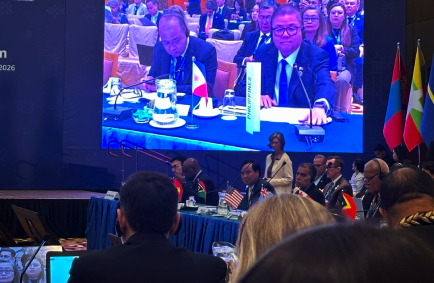
BANDAR SERI BEGAWAN, Brunei Darussalam (April 23, 2026) — The Philippines has called for stronger regional cooperation to protect food security in the Asia-Pacific, warning that rising geopolitical tensions in the Middle East are already straining global supply chains and pushing up the cost of key farm inputs.
Speaking at the Ministerial Segment of the 38th Session of the UN Food and Agriculture Organization (FAO) Asia-Pacific Regional Conference, Agriculture Secretary Francisco P. Tiu Laurel Jr. highlighted how disruptions in oil, gas, and fertilizer exports are feeding into higher production and food costs across the region.
The Philippines, alongside Japan, Thailand, Sri Lanka, Malaysia, New Zealand, and Australia, earlier pushed to include the food security implications of the 2026 Middle East conflict in the conference agenda—reflecting mounting concern over its ripple effects on global markets.
Delegates underscored how energy shocks are directly affecting agriculture. Rising fuel and fertilizer prices are increasing the cost of farming, food transport, and distribution, ultimately driving up retail prices.
“We are meeting at a time when geopolitical tensions are creating additional risks to both economic and food security,” Tiu Laurel said, noting that vulnerable economies are bearing the brunt of these disruptions.
In the Philippines, the Department of Agriculture reported that higher fertilizer prices are especially challenging during the wet planting season, when demand peaks. Increased fuel costs are also making it more expensive to move food across the country’s islands and are cutting into fishing operations due to higher operating expenses.
These pressures are further compounded by climate risks, including the احتمال of a stronger El Niño later this year, which could reduce agricultural output and strain water resources.
FAO Chief Economist Máximo Torero echoed these concerns, emphasizing the global nature of supply chain vulnerabilities and the need for coordinated policy responses to stabilize food and input markets.
To address these challenges, the Philippines is rolling out mitigation measures such as fuel subsidies for farmers and fisherfolk, improved logistics support, expanded cold storage and post-harvest facilities, and the promotion of alternative fertilizers. These efforts aim to ease immediate pressures while building long-term resilience.
The country also advocated for a broader “agri-food systems approach,” focusing not just on production but also on income stability, nutrition, and rural development. Key priorities include climate-resilient technologies, rural infrastructure investment, innovative financing, stronger local government coordination, and inclusive value chains that support women and youth.
On the sidelines of the conference, Philippine officials met with counterparts from Lao PDR and Vietnam to discuss agricultural cooperation, technology sharing, and trade facilitation.
The FAO Asia-Pacific Regional Conference remains the region’s primary platform for shaping food and agriculture policy. The Philippines reiterated the need for real-time monitoring of commodity and fertilizer markets, greater transparency, and open, predictable trade to better manage future shocks.
The next session of the conference will be hosted by Lao People’s Democratic Republic in 2028.
NPO News Team | DA Press Office - PR
Share:
Writer :
Link :
Leave a Comment:
Date: Thursday | May 7, 2026 | 4:24:pm
Sections
Recent News
RECENT POSTS
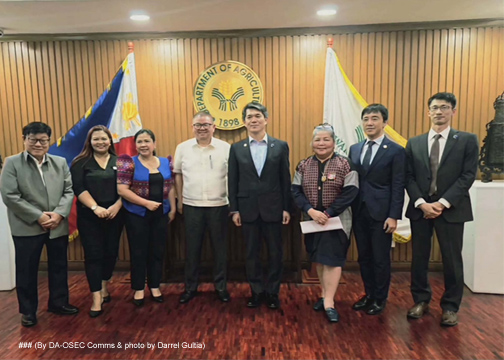
Philippines, Japan Strengthen Agricultural Alliance Ahead of Marcos State Visit
Category : AGRI-NEWS
Read More →
Agriculture Sector Eyes Strong Recovery Amid Rice, Livestock Gains Despite Q1 Dip
Category : AGRI-NEWS
Read More →
ENTER BATTLE ZONE Ignites a New Era of Youth Empowerment Through the Philippines’ First Barangay vs Barangay Esports League
Category : Sports
Read More →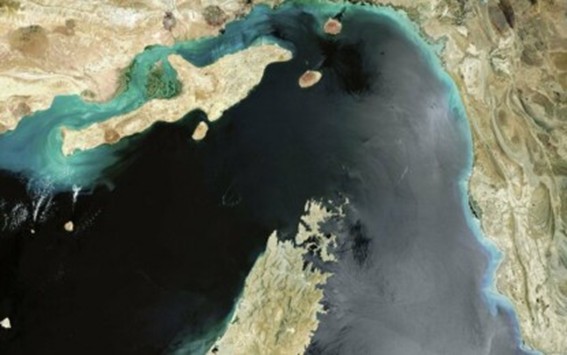
Japan-Linked Oil Tanker Safely Navigates Key Strait Amid Supply Concerns
Category : International News
Read More →