Litterbugs
OPINION | Letter to the Editor Posted on 2026-04-28 01:38:43
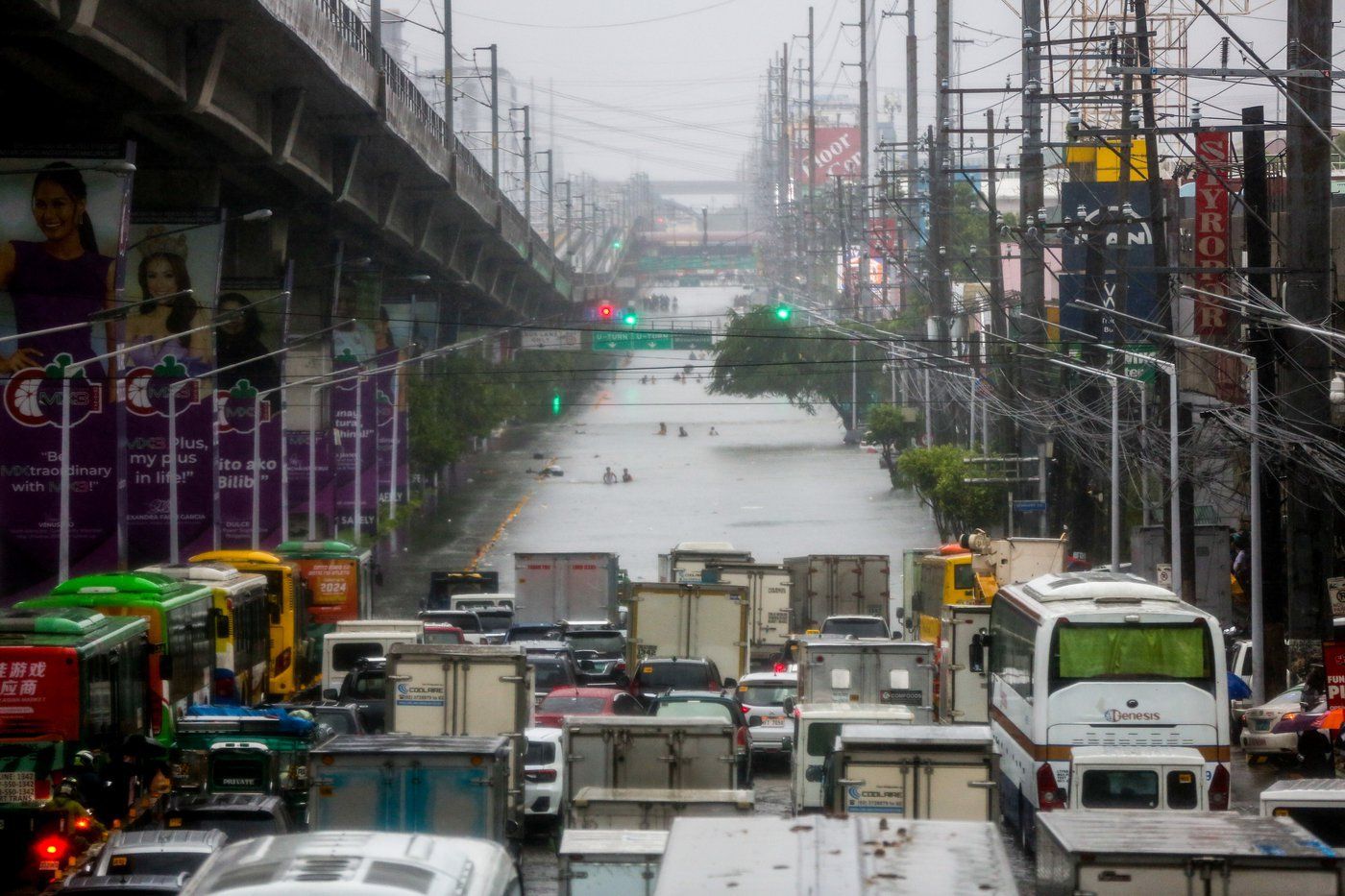
The decision of the Metropolitan Manila Development Authority to expand its no-contact apprehension policy to include littering reflects both urgency and frustration. For years, Metro Manila has struggled with a problem that is as visible as it is ignored. Trash along major roads, waterways treated like dumping grounds, and a culture of casual disposal have all contributed to a cycle that worsens flooding and degrades public spaces.
Under the leadership of Nicolas Torre III, the agency now plans to use AI-enabled CCTV cameras to detect littering along major thoroughfares such as EDSA and even near creeks. The idea is straightforward. If technology can catch traffic violators, it can also catch those who throw garbage in plain sight.
On paper, the move makes sense. Garbage remains one of the primary causes of clogged drainage systems, which in turn worsens flooding across Metro Manila. The volume alone is staggering, with thousands of tons collected from waterways each year. This is not just an environmental issue. It is a public safety concern.
Yet enforcement has always been the weak link. Anti-littering ordinances already exist across local government units, but they are rarely implemented with consistency. The challenge is not the absence of rules, but the lack of discipline in enforcing them.
Relying on surveillance technology introduces a new layer of accountability, but it is not without complications. Identifying violators from video footage is far from straightforward, especially in crowded urban spaces. The plan to involve barangays in identifying offenders raises another concern. What happens when those expected to enforce the rules are part of the problem?
There is also the risk of reducing the campaign to a fear-based approach. The MMDA appears to be banking on the idea that even a few apprehensions could deter others. While this may produce short-term results, lasting change rarely comes from fear alone.
A cleaner city requires more than cameras and citations. It demands coordination. Local governments must go beyond passive ordinances and actively provide the infrastructure needed for compliance. Accessible garbage bins, reliable waste collection, and visible enforcement all play a role in shaping behavior.
Equally important is public participation. Cleanliness cannot be outsourced entirely to authorities. Communities must see the direct benefits of maintaining order in their surroundings. When people understand that proper waste disposal reduces flooding, improves health, and enhances daily life, compliance becomes less about avoiding penalties and more about shared responsibility.
The MMDA’s initiative is a step forward, but it should not be mistaken for a complete solution. Technology can support enforcement, but it cannot replace the need for cultural change. Without that shift, the cameras may capture violations, but the problem itself will persist.
NPO News Team | Philippine Star - PR
Share:
Writer :
Link :
Leave a Comment:
Date: Monday | June 22, 2026 | 1:27:pm
Sections
Recent News
RECENT POSTS
ELIS Inc. Successfully Concludes Strategic China Business Mission; Strengthens International Partnership for Smart Mobility and Sustainable Transport Development
Category : Business
Read More →
Philippine Reclamation Authority (PRA) Conducts Official Site Visit to BC AGRI-System Climate-Smart Agriculture Laboratory; Greenhouse Deployment Project Moves Toward Implementation
Category : AGRI-NEWS
Read More →
Philippine Real Estate Portal Emerges as One of the Most Promising Real Estate Platforms in the Philippines
Category : Lifestyle
Read More →