Balancing technology and society: researchers propose a pathway for ethical megaproject innovation
Technology | Innovation Posted on 2025-12-26 00:43:48
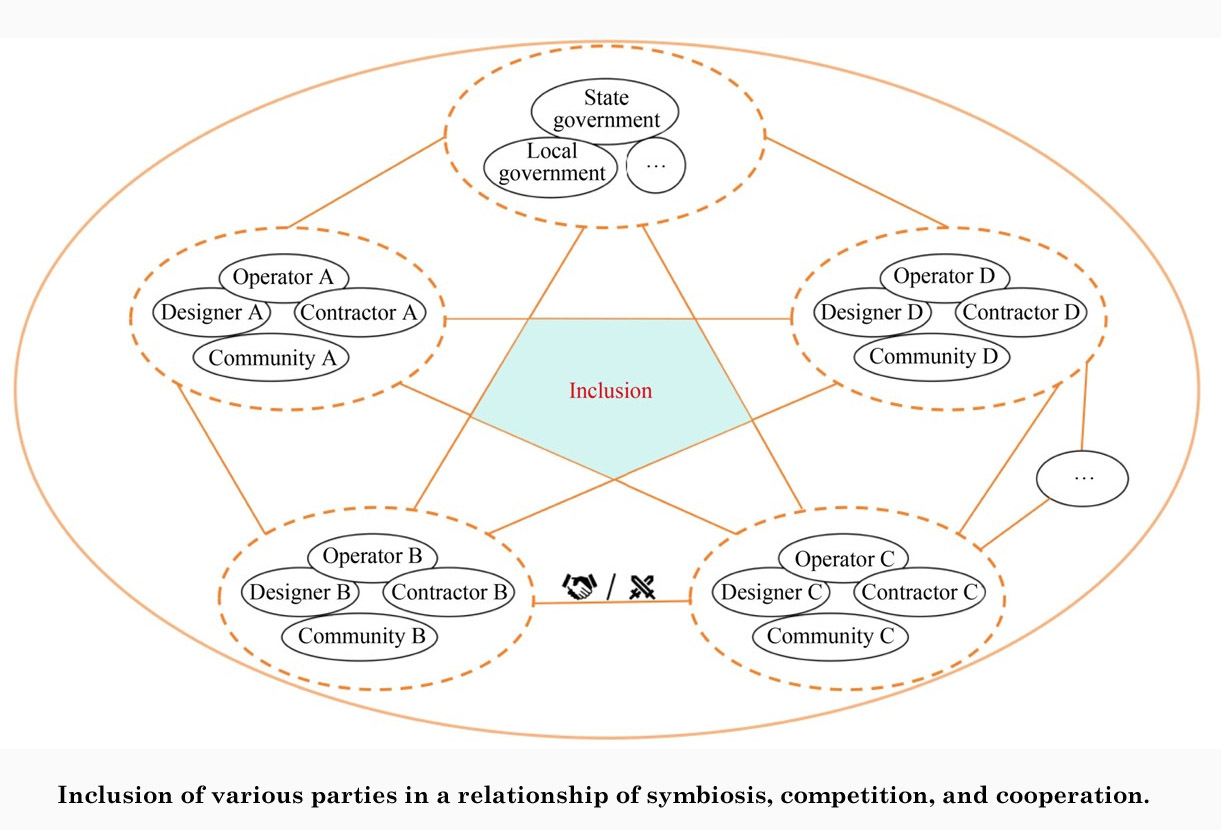
GA, UNITED STATES, December 25, 2025 /EINPresswire.com/ -- Megaprojects—vast infrastructure initiatives that redefine cities, economies, and public life—are often praised for their engineering ambition. Yet the innovations that drive these projects can also produce hidden risks, social tensions, and environmental consequences when not guided by broader societal values. This study introduces Megaproject Responsible Innovation (MRI), a comprehensive framework that aligns technological progress with ethical responsibility and long-term sustainability. By identifying four foundational dimensions and proposing an ecosystem-based governance model, the research outlines a practical pathway for ensuring that innovation in megaprojects remains forward-looking, publicly accountable, and resilient. The findings offer a roadmap for achieving innovation that not only succeeds technically but also earns lasting public trust.
From high-speed rail systems to large-scale energy and water
infrastructures, modern megaprojects carry immense expectations and equally
significant challenges. Their complexity can generate cascading social,
environmental, and governance issues that extend far beyond project boundaries.
While innovation is essential to overcoming technical obstacles and improving
performance, traditional models tend to prioritize efficiency and engineering
metrics over ethical considerations, community concerns, and long-term
ecological impacts. This imbalance has led to costly setbacks and public
debates worldwide. Due to these challenges, there is a pressing need to explore
how responsible innovation principles can be systematically embedded into the
design and management of megaprojects.
A research team from Nanjing Audit University, Guangzhou University,
Ningbo University of Finance and Economics, and Western Sydney University has
developed a new approach to addressing the social and environmental
complexities of megaprojects. Published (DOI: 10.1007/s42524-025-4071-9) on
January 23, 2025, in Frontiers of Engineering Management, the study introduces
the concept of Megaproject Responsible Innovation (MRI)—a structured
methodology that incorporates ethical reflection, stakeholder participation,
and adaptive decision-making into innovation practices. The framework seeks to
bridge the gap between technological achievement and evolving societal
expectations in large-scale infrastructure development.
The study defines MRI as a continuous, foresighted process that
integrates responsibility into every phase of a megaproject, from
conceptualization and design to construction and long-term operation. The
framework is built around four interconnected pillars. Anticipation enables
project teams to identify potential environmental, ethical, and societal risks
before they escalate into critical issues. Inclusion recognizes megaprojects as
dynamic innovation ecosystems shaped by the interactions of engineers,
contractors, policymakers, communities, and regulators, whose collaboration—or
competition—directly influences innovation outcomes. Reflexivity encourages innovators
to examine underlying assumptions and institutional biases, ensuring that
decisions align with public values rather than narrow technical objectives.
Responsiveness empowers organizations to adapt strategies as societal
expectations, scientific insights, and policy environments evolve, minimizing
the risk of technological lock-ins or late-stage disputes. To operationalize
these principles, the researchers propose an ecological governance model that
conceptualizes megaproject innovation as an interconnected ecosystem composed
of “key niche members” such as owners, designers, and contractors, alongside
“extended niche members” including government agencies, regulators, and civil
society groups. This approach strengthens risk mitigation, enhances transparency,
and promotes innovation pathways that support long-term social and
environmental sustainability.
According to the authors, the success of future megaprojects will depend
not only on engineering excellence but also on their ability to reflect societal
values and ethical considerations. “Technological progress must be aligned with
public expectations,” they emphasize, noting that the MRI framework offers
practical guidance for navigating competing interests, avoiding ethical blind
spots, and fostering greater trust among stakeholders. By integrating
anticipation, inclusion, reflexivity, and responsiveness, the MRI model helps
project teams make informed decisions that balance innovation with social
responsibility and environmental care.
The MRI framework and ecological governance model provide policymakers,
industry leaders, and engineering teams with actionable tools to redesign
innovation processes in major infrastructure projects. These approaches can
reduce environmental risks, enhance stakeholder communication, and strengthen
social legitimacy—crucial elements in an era of heightened public scrutiny. By
embedding responsible innovation principles into decision-making, megaprojects
can better balance economic objectives with long-term societal and ecological
wellbeing. Looking ahead, this research lays the foundation for a new
generation of megaprojects that are not only technologically advanced but also
ethically governed, socially trusted, and capable of adapting to future
challenges.
BioDesign Research
email us here
Legal Disclaimer:
EIN Presswire provides this news content "as is" without
warranty of any kind. We do not accept any responsibility or liability for the
accuracy, content, images, videos, licenses, completeness, legality, or
reliability of the information contained in this article. If you have any
complaints or copyright issues related to this article, kindly contact the
author above.
NEWS PROVIDED BY
December 25, 2025, 12:58 GMT
NPO NEWS TEAM I EINPresswire - PR
Writer :
Link :
Leave a Comment:
Date: Monday | February 23, 2026 | 9:28:pm
Sections
Recent News
RECENT POSTS
DA, DOT Seal Partnership to Elevate Farm Tourism and Promote PH as Food Destination
Category : AGRI-NEWS
Read More →
DA Turns Over PHP96.35-M Farm Aid Package to Boost Kalinga Agriculture
Category : AGRI-NEWS
Read More →
Eala Advances to Dubai Second Round After Baptiste Retires Due to Injury
Category : Sports
Read More →
BB 88 Advertising and Digital Solutions Inc. Welcomes Its Largest Internship Batch Yet, Empowering Over 80 Future Filipino IT Professionals in 2026
Category : Technology
Read More →